
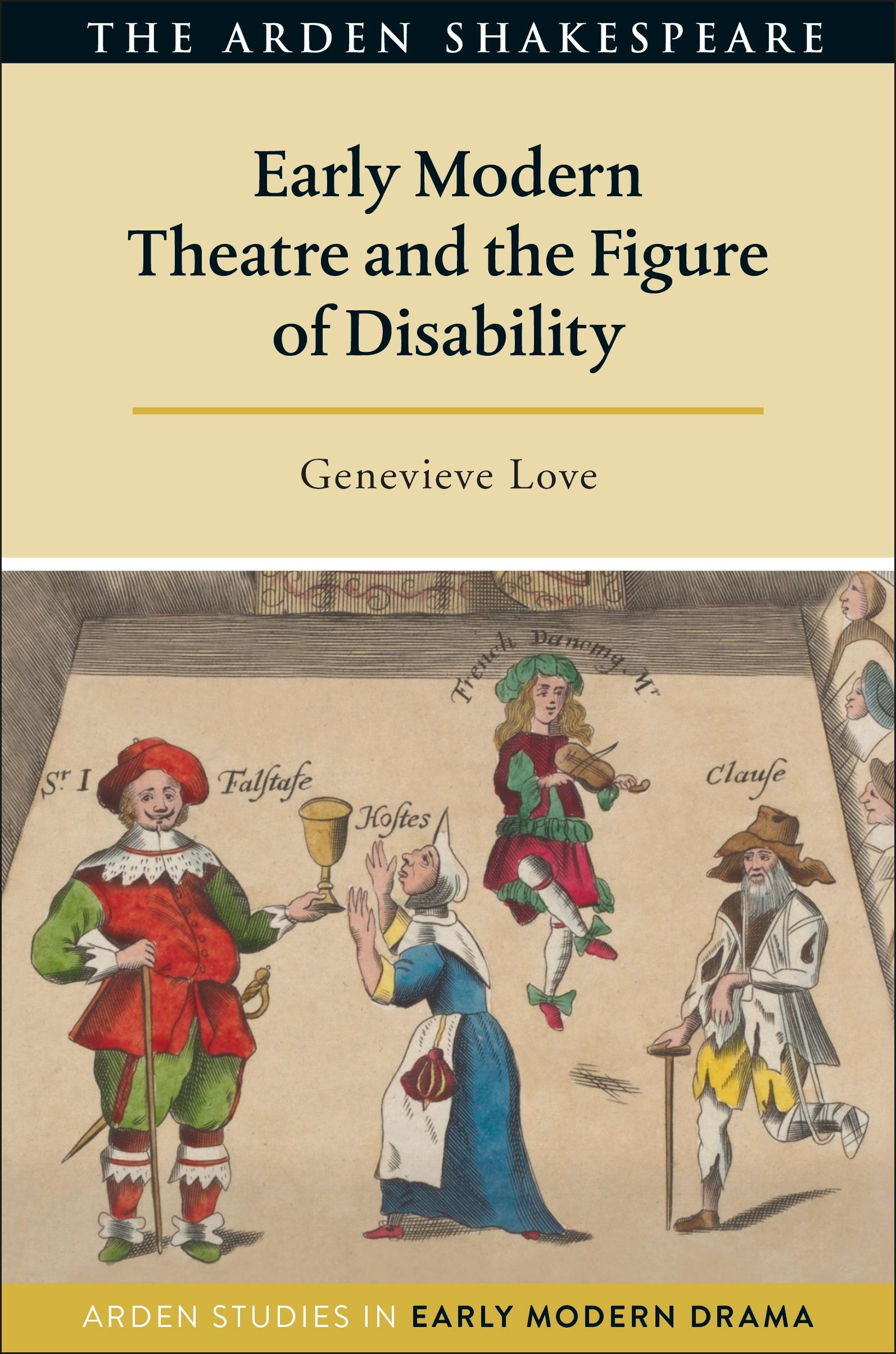
What work did physically disabled characters do for the early modern theatre? Through a consideration of a range of plays, including Doctor Faustus and Richard III, Genevieve Love argues that the figure of the physically disabled prosthetic body in early modern English theatre mediates a set of related 'likeness problems' that structure the theatrical, textual, and critical lives of the plays of Shakespeare and his contemporaries.
The figure of disability stands for the relationship between actor and character: prosthetic disabled characters with names such as Cripple and Stump capture the simultaneous presence of thefictional and the material, embodied world of the theatre. When the figure of the disabled body exits the stage, it also mediates a second problem of likeness, between plays in their performed and textual forms. While supposedly imperfect textual versions of plays have been characterized as 'lame', the dynamic movement of prosthetic disabled characters in the theatre expands the figural role which disability performs in the relationship between plays on the stage and on the page.
Early Modern Theatre and the Figure of Disability reveals how attention to physical disability enriches our understanding of early modern ideas about how theatre works, while illuminating in turn how theatre offers a reframing of disability as metaphor.
The figure of disability stands for the relationship between actor and character: prosthetic disabled characters with names such as Cripple and Stump capture the simultaneous presence of thefictional and the material, embodied world of the theatre. When the figure of the disabled body exits the stage, it also mediates a second problem of likeness, between plays in their performed and textual forms. While supposedly imperfect textual versions of plays have been characterized as 'lame', the dynamic movement of prosthetic disabled characters in the theatre expands the figural role which disability performs in the relationship between plays on the stage and on the page.
Early Modern Theatre and the Figure of Disability reveals how attention to physical disability enriches our understanding of early modern ideas about how theatre works, while illuminating in turn how theatre offers a reframing of disability as metaphor.
Betal nemt med kort, Klarna, Apple Pay eller Google Pay. Ikke tilfreds? Du har altid 14 dages fortrydelsesret. Læs mere i vores vilkår. Har du spørgsmål, så send os en mail på hello@memmo.org.
Memmo gør det nemmere at studere – uanset hvor du er i verden. Hos os samler du dine kursusbøger og smarte studieværktøjer ét sted: resuméer, quizzer, podcasts og flashcards. Og så er der Ted, din studieven, der svarer på alt, du undrer dig over. Over 50 000 studerende studerer allerede her – bygget til at hjælpe dig med at lære hurtigere og stresse mindre.