
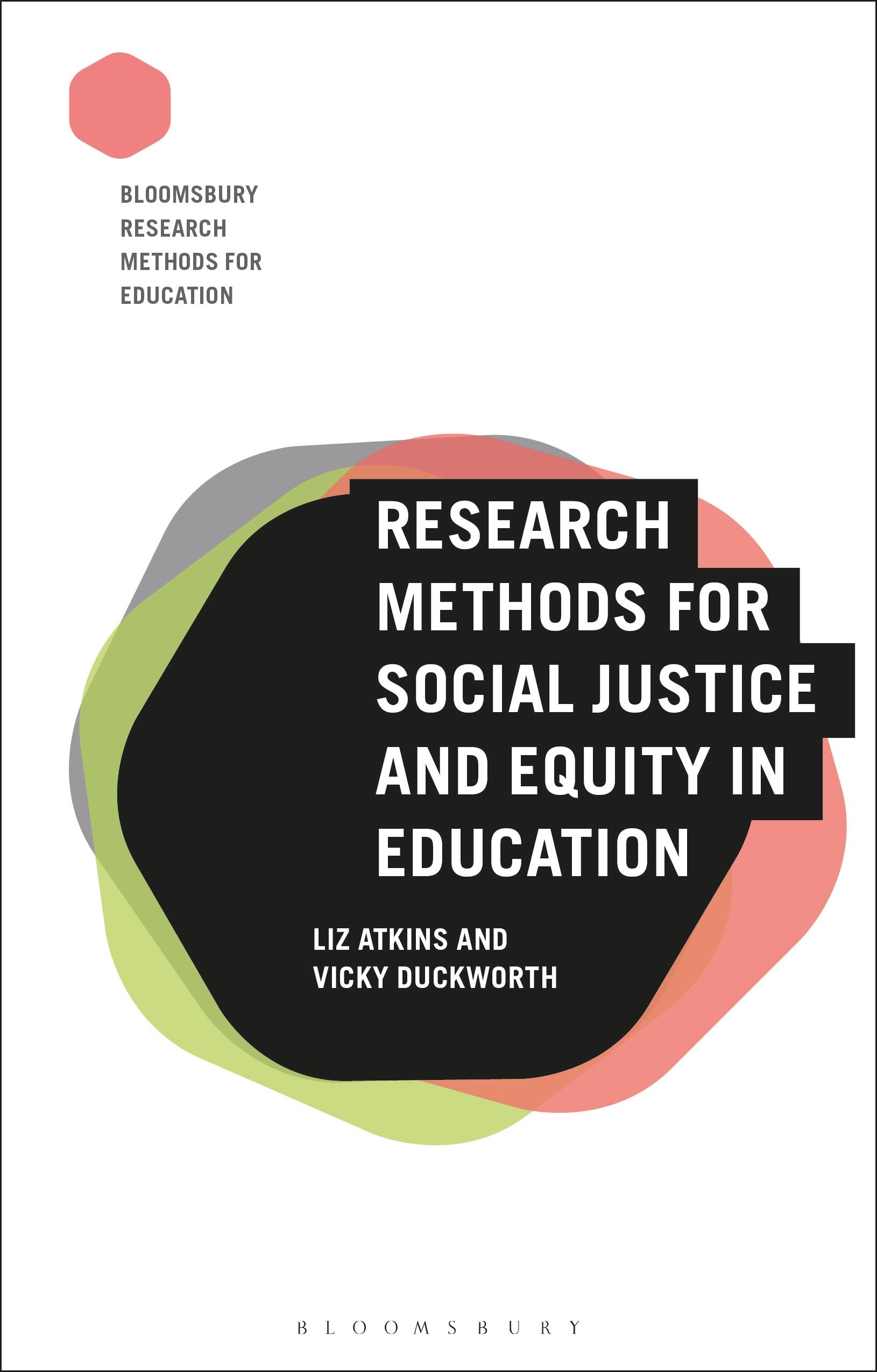
Research Methods for Social Justice and Equity in Education offers researchers a full understanding of very important concepts, showing how they can be used a means to develop practical strategies for undertaking research that makes a difference to the lives of marginalised and disadvantaged learners. It explores different conceptualisations of social justice and equity, and leads the reader through a discussion of what their implications are for undertaking educational research that is both moral and ethical and how it can be enacted in the context of their chosen research method and a variety of others, both well-known and more innovative.
The authors draw on real, practical examples from a range of educational contexts, including early childhood, special and inclusive education and adult education, and cultures located in both western and developing nations in order to exemplify how researchers can use methods which contribute to the creation of more equitable education systems. In this way, the authors provide a global perspective of the contrasting and creative ways in which researchers reflect on and integrate principles of social justice in their methods and their methodological decision making.
It encourages the reader to think critically about their own research by asking key questions, such as: what contribution can research for equity and social justice make to new and emerging methods and methodologies? And how can researchers implement socially just research methods from a position of power? This book concludes by proposing a range of methods and methodologies which researchers can use to challenge inequality and work towards social justice, offering a springboard from which they can further their own studies.
The authors draw on real, practical examples from a range of educational contexts, including early childhood, special and inclusive education and adult education, and cultures located in both western and developing nations in order to exemplify how researchers can use methods which contribute to the creation of more equitable education systems. In this way, the authors provide a global perspective of the contrasting and creative ways in which researchers reflect on and integrate principles of social justice in their methods and their methodological decision making.
It encourages the reader to think critically about their own research by asking key questions, such as: what contribution can research for equity and social justice make to new and emerging methods and methodologies? And how can researchers implement socially just research methods from a position of power? This book concludes by proposing a range of methods and methodologies which researchers can use to challenge inequality and work towards social justice, offering a springboard from which they can further their own studies.
Sider: 352
Kategori: Utbildning & lärande
e-ISBN: 9781350015470
Forsendelsesvægt: 1.2 kg
Sendes inden for: 1-2 dage
Betal nemt med kort, Klarna, Apple Pay eller Google Pay. Ikke tilfreds? Du har altid 14 dages fortrydelsesret. Læs mere i vores vilkår. Har du spørgsmål, så send os en mail på hello@memmo.org.
Memmo gør det nemmere at studere – uanset hvor du er i verden. Hos os samler du dine kursusbøger og smarte studieværktøjer ét sted: resuméer, quizzer, podcasts og flashcards. Og så er der Ted, din studieven, der svarer på alt, du undrer dig over. Over 50 000 studerende studerer allerede her – bygget til at hjælpe dig med at lære hurtigere og stresse mindre.