
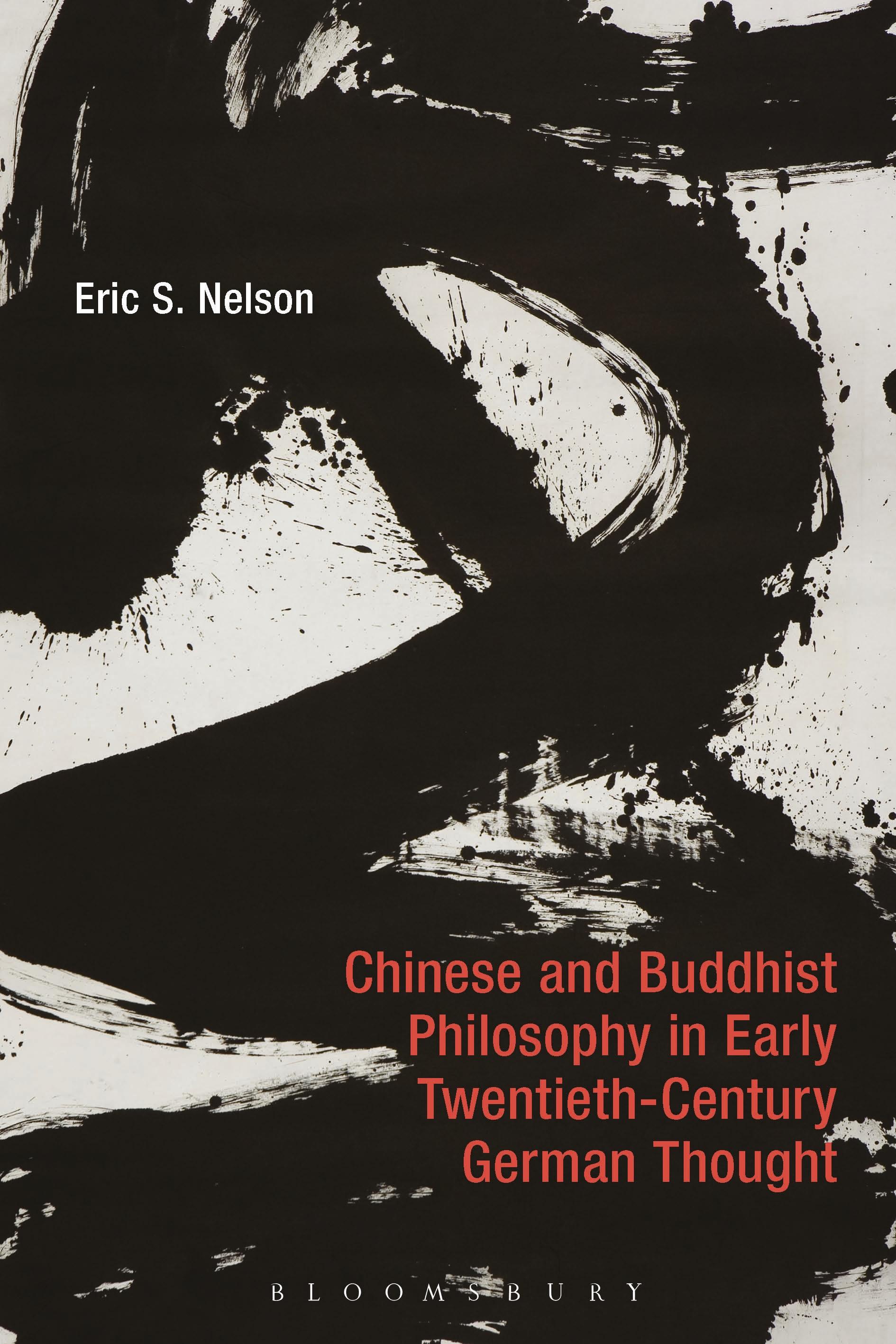
Presenting a comprehensive portrayal of the reading of Chinese and Buddhist philosophy in early twentieth-century German thought, Chinese and Buddhist Philosophy in Early Twentieth-Century German Thought examines the implications of these readings for contemporary issues in comparative and intercultural philosophy.
Through a series of case studies from the late 19th-century and early 20th-century, Eric Nelson focuses on the reception and uses of Confucianism, Daoism, and Buddhism in German philosophy, covering figures as diverse as Buber, Heidegger, and Misch. He argues that the growing intertextuality between traditions cannot be appropriately interpreted through notions of exclusive identities, closed horizons, or unitary traditions. Providing an account of the context, motivations, and hermeneutical strategies of early twentieth-century European thinkers' interpretation of Asian philosophy, Nelson also throws new light on the question of the relation between Heidegger and Asian philosophy. Reflecting the growing interest in the possibility of intercultural and global philosophy, Chinese and Buddhist Philosophy in Early Twentieth-Century German Thought opens up the possibility of a more inclusive intercultural conception of philosophy.
Through a series of case studies from the late 19th-century and early 20th-century, Eric Nelson focuses on the reception and uses of Confucianism, Daoism, and Buddhism in German philosophy, covering figures as diverse as Buber, Heidegger, and Misch. He argues that the growing intertextuality between traditions cannot be appropriately interpreted through notions of exclusive identities, closed horizons, or unitary traditions. Providing an account of the context, motivations, and hermeneutical strategies of early twentieth-century European thinkers' interpretation of Asian philosophy, Nelson also throws new light on the question of the relation between Heidegger and Asian philosophy. Reflecting the growing interest in the possibility of intercultural and global philosophy, Chinese and Buddhist Philosophy in Early Twentieth-Century German Thought opens up the possibility of a more inclusive intercultural conception of philosophy.
Betal nemt med kort, Klarna, Apple Pay eller Google Pay. Ikke tilfreds? Du har altid 14 dages fortrydelsesret. Læs mere i vores vilkår. Har du spørgsmål, så send os en mail på hello@memmo.org.
Memmo gør det nemmere at studere – uanset hvor du er i verden. Hos os samler du dine kursusbøger og smarte studieværktøjer ét sted: resuméer, quizzer, podcasts og flashcards. Og så er der Ted, din studieven, der svarer på alt, du undrer dig over. Over 50 000 studerende studerer allerede her – bygget til at hjælpe dig med at lære hurtigere og stresse mindre.