
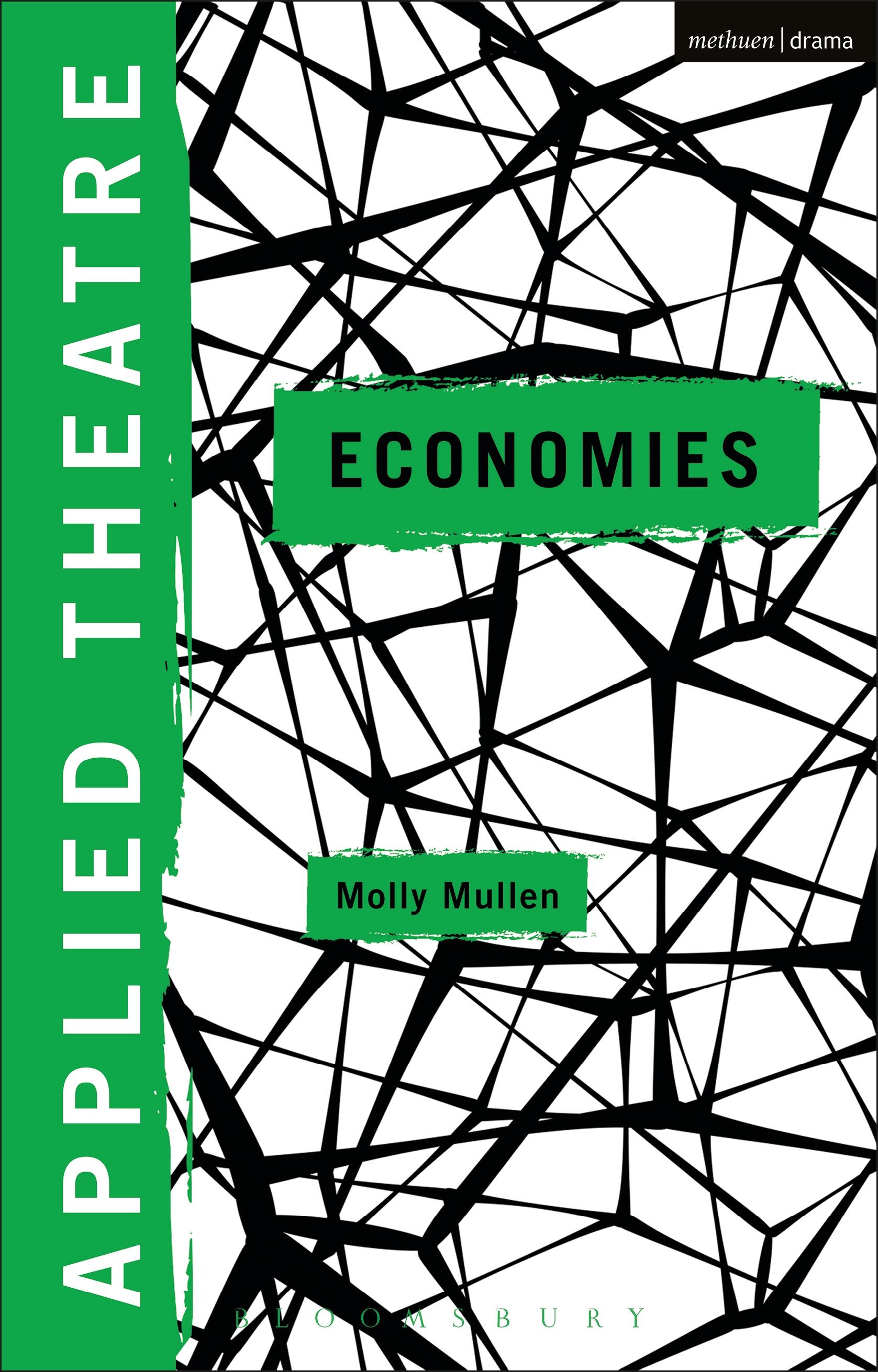
The APPLIED THEATRE series is a major innovation in applied theatre scholarship: each book presents new ways of seeing and critically reflecting on this dynamic and vibrant field. Volumes offer a theoretical framework and introductory survey of the field addressed, combined with a range of case studies illustrating and critically engaging with practice.
Series Editors: Sheila Preston and Michael Balfour
Applied Theatre: Economies addresses a notoriously problematic area: applied theatre's relationship
to the economy and the ways in which socially committed theatre makers fund, finance or otherwise
resource their work.
Part One addresses longstanding concerns in the field about the effects of economic conditions and funding relationships on applied theatre practice. It considers how applied theatre's relationship with local and global economies can be understood from different theoretical and philosophical perspectives. It also examines a range of ways in which applied theatre can be resourced, identifying key issues and seeking possibilities for theatre makers to sustain their work without undermining their social and artistic values.
The international case studies in Part Two give vivid insights into the day-to-day challenges of resourcing applied theatre work in Chile, Canada, the UK, New Zealand, Hong Kong and the US. The authors examine critical issues or points of tension that have arisen in a particular funding relationship or from specific economic activities. Each study also illuminates ways in which applied theatre makers can bring artistic and social justice principles to bear on financial and organizational processes.
Series Editors: Sheila Preston and Michael Balfour
Applied Theatre: Economies addresses a notoriously problematic area: applied theatre's relationship
to the economy and the ways in which socially committed theatre makers fund, finance or otherwise
resource their work.
Part One addresses longstanding concerns in the field about the effects of economic conditions and funding relationships on applied theatre practice. It considers how applied theatre's relationship with local and global economies can be understood from different theoretical and philosophical perspectives. It also examines a range of ways in which applied theatre can be resourced, identifying key issues and seeking possibilities for theatre makers to sustain their work without undermining their social and artistic values.
The international case studies in Part Two give vivid insights into the day-to-day challenges of resourcing applied theatre work in Chile, Canada, the UK, New Zealand, Hong Kong and the US. The authors examine critical issues or points of tension that have arisen in a particular funding relationship or from specific economic activities. Each study also illuminates ways in which applied theatre makers can bring artistic and social justice principles to bear on financial and organizational processes.
Betal nemt med kort, Klarna, Apple Pay eller Google Pay. Ikke tilfreds? Du har altid 14 dages fortrydelsesret. Læs mere i vores vilkår. Har du spørgsmål, så send os en mail på hello@memmo.org.
Memmo gør det nemmere at studere – uanset hvor du er i verden. Hos os samler du dine kursusbøger og smarte studieværktøjer ét sted: resuméer, quizzer, podcasts og flashcards. Og så er der Ted, din studieven, der svarer på alt, du undrer dig over. Over 50 000 studerende studerer allerede her – bygget til at hjælpe dig med at lære hurtigere og stresse mindre.