
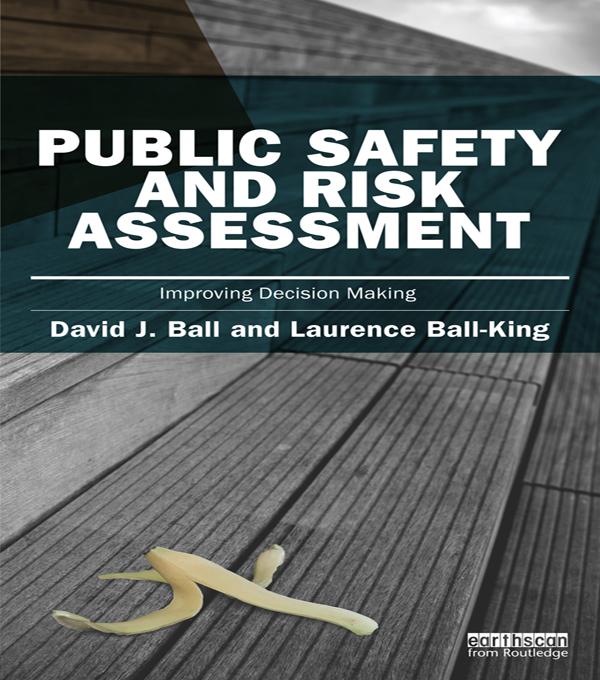
This book aims to encourage a more reflective, multidisciplinary approach to public safety, and the 'reenfranchisement' of those affected by this new phenomenon. Over the past decade health and safety has become a major issue of public interest. There are countless stories of health and safety activities interfering with public life, preventing some beneficial activity from taking place – even creating absurd or dangerous situations. On the one hand, risk assessment, properly conducted, is highly beneficial – it saves lives and prevents injuries. But on the other, it can damage public life. Why has this come about, and does it have to be like that? The authors examine the origins of the problem, look critically at the tools used by safety assessors and their underlying assumptions, and consider important differences between public life and industry (where the approaches largely originated). They illuminate the whole with an analysis of legal requirements, attitudes of stakeholders, and recent research on risk perception and decision making. The result is a profound and important analysis of risk and safety culture and a framework for managing public safety more effectively.
Betal nemt med kort, Klarna, Apple Pay eller Google Pay. Ikke tilfreds? Du har altid 14 dages fortrydelsesret. Læs mere i vores vilkår. Har du spørgsmål, så send os en mail på hello@memmo.org.
Memmo gør det nemmere at studere – uanset hvor du er i verden. Hos os samler du dine kursusbøger og smarte studieværktøjer ét sted: resuméer, quizzer, podcasts og flashcards. Og så er der Ted, din studieven, der svarer på alt, du undrer dig over. Over 50 000 studerende studerer allerede her – bygget til at hjælpe dig med at lære hurtigere og stresse mindre.