
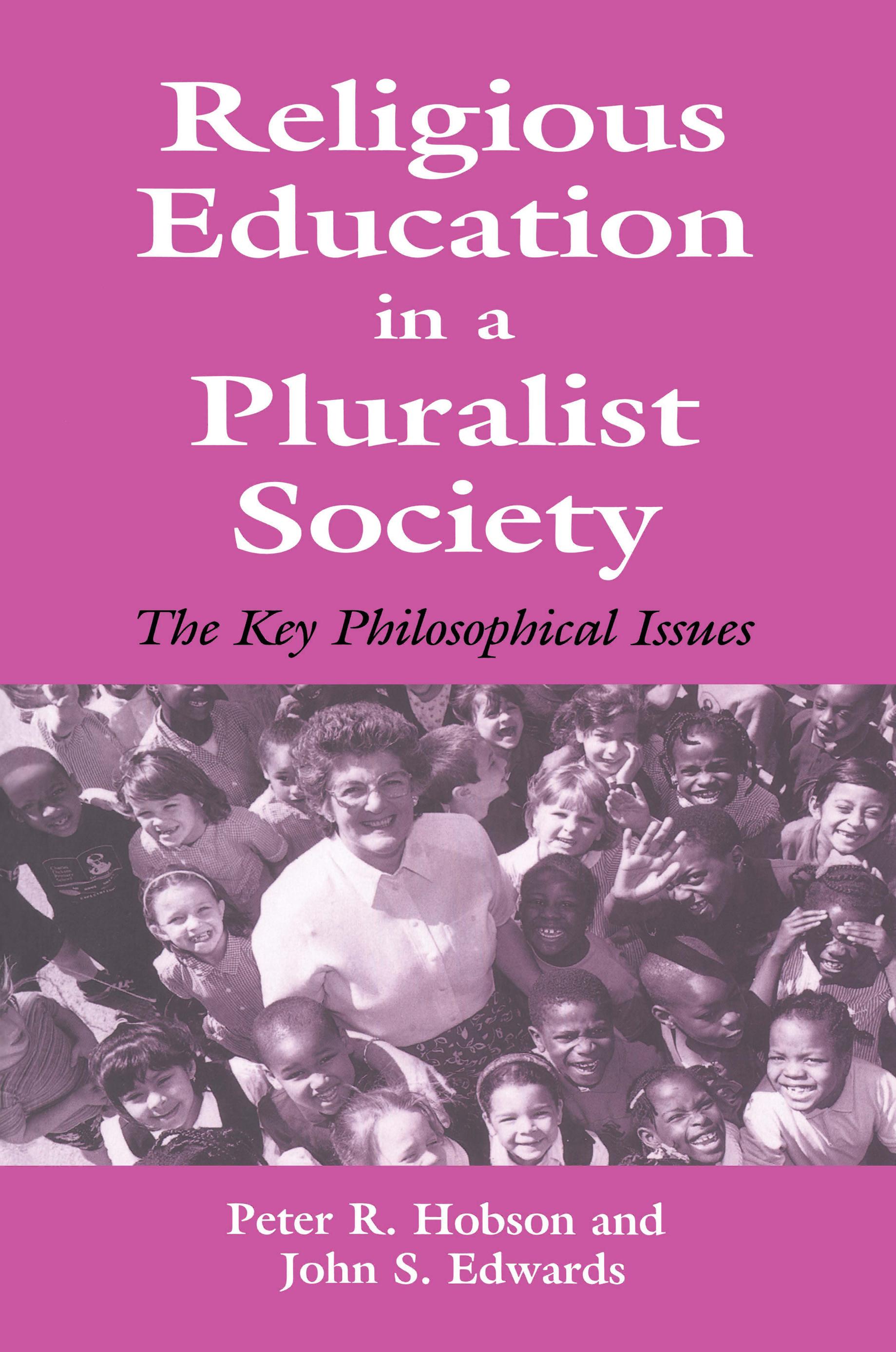
Religious education in liberal pluralist societies such as the UK, the USA, and Australian underwent radical change in the 1980s and 1990s, with a major shift towards multi-faith, educationally oriented programmes. This has meant significant modifications to both the content and the methodology of religious-education courses and to the way they are conceived of and taught in schools and universities.
One important implication of this change for the teaching and study of religion today is the need for a philosophical dimension that deals with issues such as the truth status of religious statements and the moral acceptability of religious claims. This dimension is often insufficiently developed; this lack is made more critical by the multiple competing truth claims of various religions, giving rise to such contentious problems as the growth of fundamentalism, increasing religious intolerance and conflict, and differences of opinion on central moral problems such as birth control, abortion and euthanasia. This text attempts to provide the philosophical underpinning that the study and teaching of religion in modern societies requires.
Betal nemt med kort, Klarna, Apple Pay eller Google Pay. Ikke tilfreds? Du har altid 14 dages fortrydelsesret. Læs mere i vores vilkår. Har du spørgsmål, så send os en mail på hello@memmo.org.
Memmo gør det nemmere at studere – uanset hvor du er i verden. Hos os samler du dine kursusbøger og smarte studieværktøjer ét sted: resuméer, quizzer, podcasts og flashcards. Og så er der Ted, din studieven, der svarer på alt, du undrer dig over. Over 50 000 studerende studerer allerede her – bygget til at hjælpe dig med at lære hurtigere og stresse mindre.