
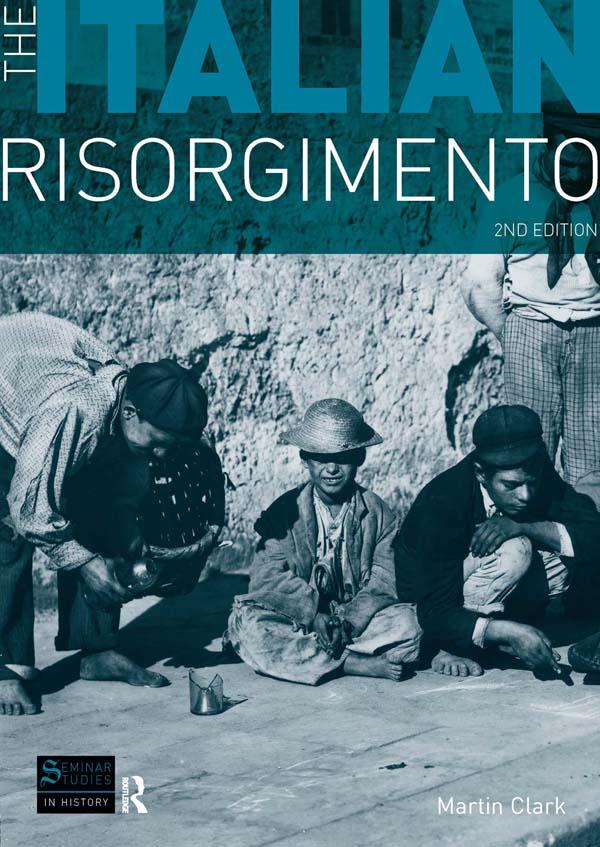
The Unification of Italy in the nineteenth century was the unlikely result of a lengthy and complex process of Italian revival (Risorgimento). Few Italians supported Unification and the new rulers of Italy were unable to resolve their disputes with the Catholic Church, the local power-holders in the South and the peasantry. In this fascinating account, Martin Clark examines these problems and considers:
· The economic, social and religious contexts of Unification, as well as the diplomatic and military aspects
· The roles of Cavour and Garibaldi and also the wider European influences, particularly those of Britain and France
· The recent historiographical shift away from uncritical celebration of the achievement of Italian unity.
Did 'Italian Unification' mean anything more than traditional Piedmontese expansionism? Was it simply an aspect of European 'secularisation'? Did it involve 'state-building', or just repression? In exploring these questions and more, Martin Clark offers the ideal introductory account for anyone wishing to understand how modern Italy was born.
This new edition has been revised in the light of recent research and now has a greater emphasis on the losers of the conflict, the impact of Unification on the South, and the complexity of the political realities of the times. It has also been updated with useful additional material such as a Whos Who and a plate section to go alongside its carefully chosen selection of original documents.
Betal nemt med kort, Klarna, Apple Pay eller Google Pay. Ikke tilfreds? Du har altid 14 dages fortrydelsesret. Læs mere i vores vilkår. Har du spørgsmål, så send os en mail på hello@memmo.org.
Memmo gør det nemmere at studere – uanset hvor du er i verden. Hos os samler du dine kursusbøger og smarte studieværktøjer ét sted: resuméer, quizzer, podcasts og flashcards. Og så er der Ted, din studieven, der svarer på alt, du undrer dig over. Over 50 000 studerende studerer allerede her – bygget til at hjælpe dig med at lære hurtigere og stresse mindre.