
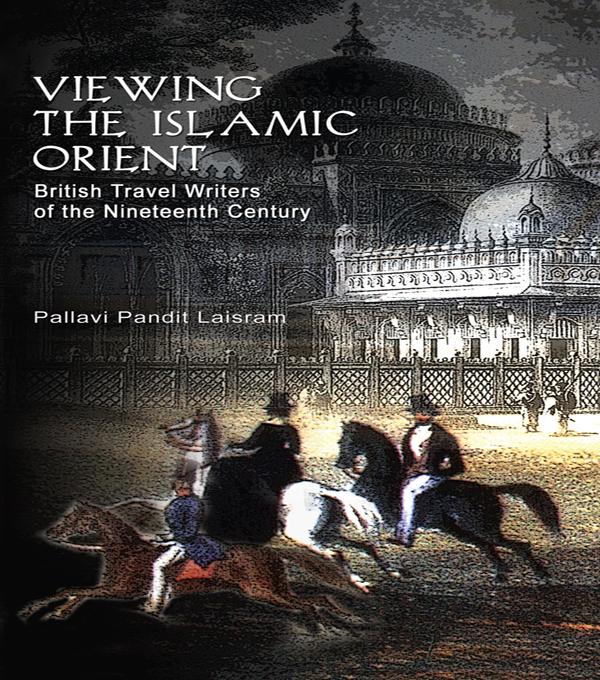
The Islamic Orient studies the travel accounts of four British travelers during the nineteenth century. Through a critical analysis of these works, the author examines and questions Edward Said’s concept of "Orientalism" and "Orientalist" discourse: his argument that the orientalist view had such a strong influence on westerners that they invariably perceived the orient through the lens of orientalism. On the contrary, the author argues, no single factor had an overwhelming influence on them. She shows that westerners often struggled with their own conceptions of the orient, and being away for long periods from their homelands, were in fact able to stand between cultures and view them both as insiders and outsiders.
The literary devices used to examine these writings are structure, characterization, satire, landscape description, and word choice, as also the social and political milieu of the writers. The major influences in the author’s analysis are Said, Foucault, Abdel-Malek and Marie Louise Pratt.
Betal nemt med kort, Klarna, Apple Pay eller Google Pay. Ikke tilfreds? Du har altid 14 dages fortrydelsesret. Læs mere i vores vilkår. Har du spørgsmål, så send os en mail på hello@memmo.org.
Memmo gør det nemmere at studere – uanset hvor du er i verden. Hos os samler du dine kursusbøger og smarte studieværktøjer ét sted: resuméer, quizzer, podcasts og flashcards. Og så er der Ted, din studieven, der svarer på alt, du undrer dig over. Over 50 000 studerende studerer allerede her – bygget til at hjælpe dig med at lære hurtigere og stresse mindre.