
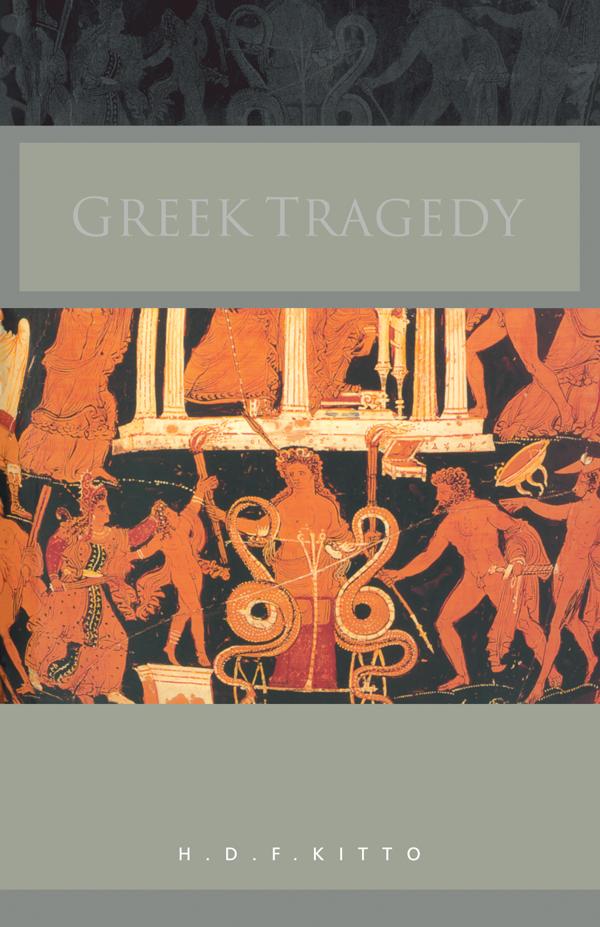
This classic work not only records developments in the form and style of Greek drama, it also analyses the reasons for these changes. It provides illuminating answers to questions that have confronted generations of students, such as:
* why did Aeschylus introduce the second actor?
* why did Sophocles develop character drawing?
* why are some of Euripides' plots so bad and others so good?
Greek Tragedy is neither a history nor a handbook, but a penetrating work of criticism which all students of literature will find suggestive and stimulating.
Betal nemt med kort, Klarna, Apple Pay eller Google Pay. Ikke tilfreds? Du har altid 14 dages fortrydelsesret. Læs mere i vores vilkår. Har du spørgsmål, så send os en mail på hello@memmo.org.
Memmo gør det nemmere at studere – uanset hvor du er i verden. Hos os samler du dine kursusbøger og smarte studieværktøjer ét sted: resuméer, quizzer, podcasts og flashcards. Og så er der Ted, din studieven, der svarer på alt, du undrer dig over. Over 50 000 studerende studerer allerede her – bygget til at hjælpe dig med at lære hurtigere og stresse mindre.