
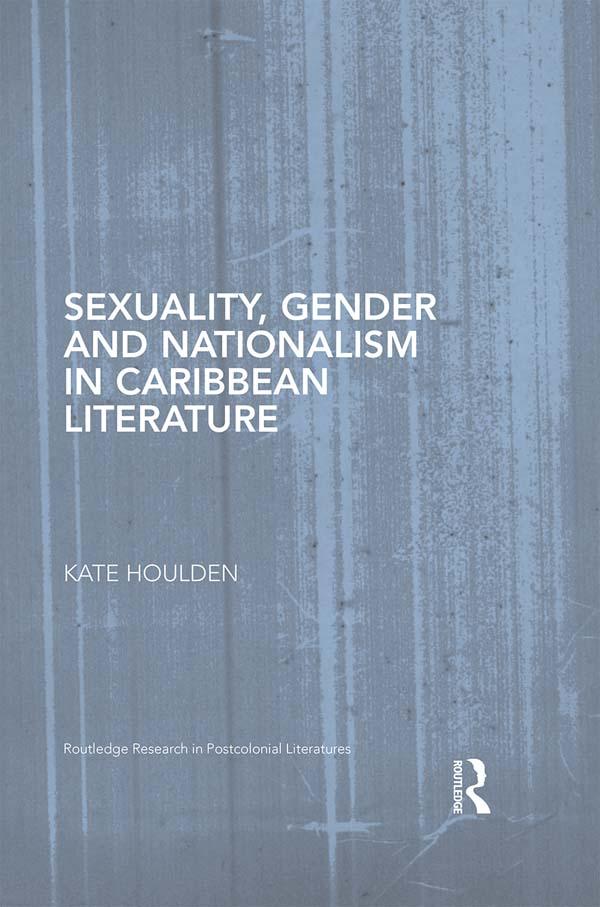
This book focuses on sex and sexuality in post-war novels from the Anglophone Caribbean. Countering the critical orthodoxy that literature from this period dealt with sex only tangentially, implicitly transmitting sexist or homophobic messages, the author instead highlights the range and diversity in its representations of sexual life. She draws on gender and sexuality studies, postcolonial theory and cultural history to provide new readings of seminal figures like Samuel Selvon and George Lamming whilst also calling attention to the work of innovative, lesser-studied authors such as Andrew Salkey, Oscar Dathorne and Rosa Guy.
Offering a coherent and expansive overview of how post-war Caribbean novelists have treated the persistently controversial topic of sex, this book addresses one of the blind spots in Caribbean literary criticism. It mines a range of little-studied archival materials and texts to argue that fiction of the post-war era exhibits both continuities with the sexual emphases of earlier writing and connections to later trends. The author also presents nationalist ideology as central to the literature of this era. It is in the fictional rendering of sexuality that the contradictions of the nationalist project are most apparent; sex both exceeds and threatens the imagined unity on which the political vision depends.
Betal nemt med kort, Klarna, Apple Pay eller Google Pay. Ikke tilfreds? Du har altid 14 dages fortrydelsesret. Læs mere i vores vilkår. Har du spørgsmål, så send os en mail på hello@memmo.org.
Memmo gør det nemmere at studere – uanset hvor du er i verden. Hos os samler du dine kursusbøger og smarte studieværktøjer ét sted: resuméer, quizzer, podcasts og flashcards. Og så er der Ted, din studieven, der svarer på alt, du undrer dig over. Over 50 000 studerende studerer allerede her – bygget til at hjælpe dig med at lære hurtigere og stresse mindre.