
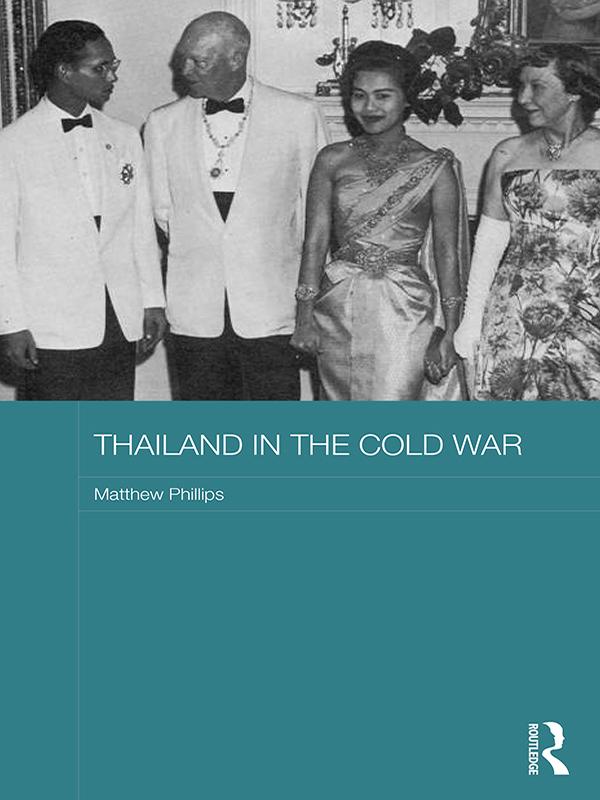
Thailand’s position during the Cold War was ambiguous: the country’s political leadership was very keen to maintain the country’s independence on the world stage, yet at the same time was anxious to establish the country’s credentials as staunchly anti-communist. However, as this book argues, Thailand, though never formally a client state of the United States, was very closely embedded in the Western camp through the commitment of Thailand’s cosmopolitan urban communities to developing a modern, consumerist lifestyle. Considering popular culture, including film, literature, fashion, tourism and attitudes towards Buddhism, the book shows how an ideology of consumerism and integration into a "free world" culture centred in the United States gradually took hold and became firmly established, and how this popular culture and ideology was fundamental in determining Thailand’s international political alignment.
Betal nemt med kort, Klarna, Apple Pay eller Google Pay. Ikke tilfreds? Du har altid 14 dages fortrydelsesret. Læs mere i vores vilkår. Har du spørgsmål, så send os en mail på hello@memmo.org.
Memmo gør det nemmere at studere – uanset hvor du er i verden. Hos os samler du dine kursusbøger og smarte studieværktøjer ét sted: resuméer, quizzer, podcasts og flashcards. Og så er der Ted, din studieven, der svarer på alt, du undrer dig over. Over 50 000 studerende studerer allerede her – bygget til at hjælpe dig med at lære hurtigere og stresse mindre.