
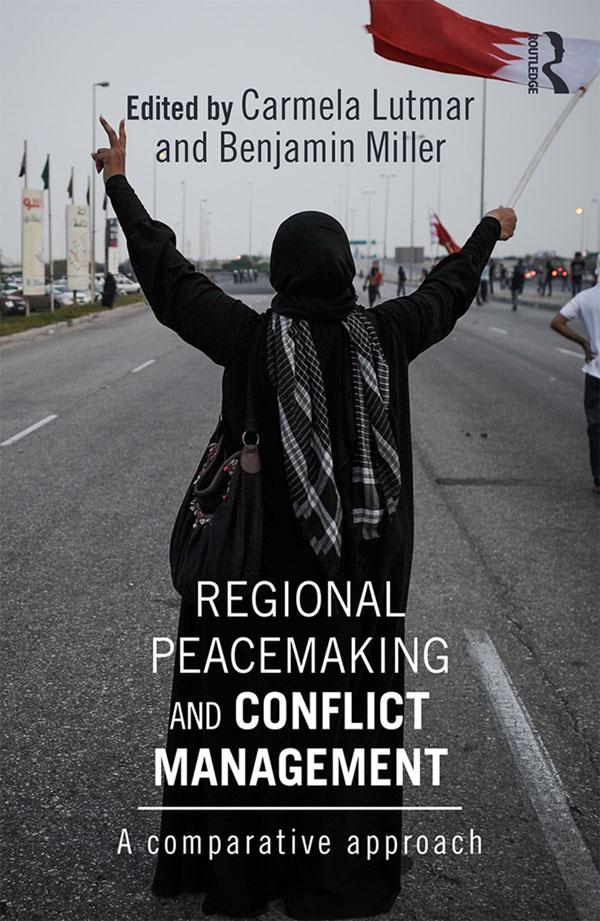
This volume examines mechanisms for regional peacemaking and conflict management in Europe and the Middle East.
To date little research has been devoted to uncovering the conditions for peace, and the factors that contribute to stabilizing the state of peace. This volume assesses the factors that contribute to regional pacification, the incentives that motivate states in establishing peaceful relations, and most importantly, how regions become peaceful. It discusses the conditions under which various types of ‘peace’ might emerge on a regional level and the factors most likely to determine the outcome. The book takes an innovative approach through a systematic comparison of two regions that are particularly prominent and important for the subject of regional pacification: Europe and the Middle East.
While many believe that the European case is the indispensable model for peacemaking, others believe that these two regions are too different for Europe to be a useful framework for the Middle East. This volume occupies a middle ground between these two extreme positions. It argues that while a mindless copying of European models will not lead to peace in the Middle East, important insights can be gained from the most successful case of regional peacemaking to date.
This work will be of much interest to students of regional security, peacemaking, conflict management, Middle East politics, European security and IR in general.
Betal nemt med kort, Klarna, Apple Pay eller Google Pay. Ikke tilfreds? Du har altid 14 dages fortrydelsesret. Læs mere i vores vilkår. Har du spørgsmål, så send os en mail på hello@memmo.org.
Memmo gør det nemmere at studere – uanset hvor du er i verden. Hos os samler du dine kursusbøger og smarte studieværktøjer ét sted: resuméer, quizzer, podcasts og flashcards. Og så er der Ted, din studieven, der svarer på alt, du undrer dig over. Over 50 000 studerende studerer allerede her – bygget til at hjælpe dig med at lære hurtigere og stresse mindre.