
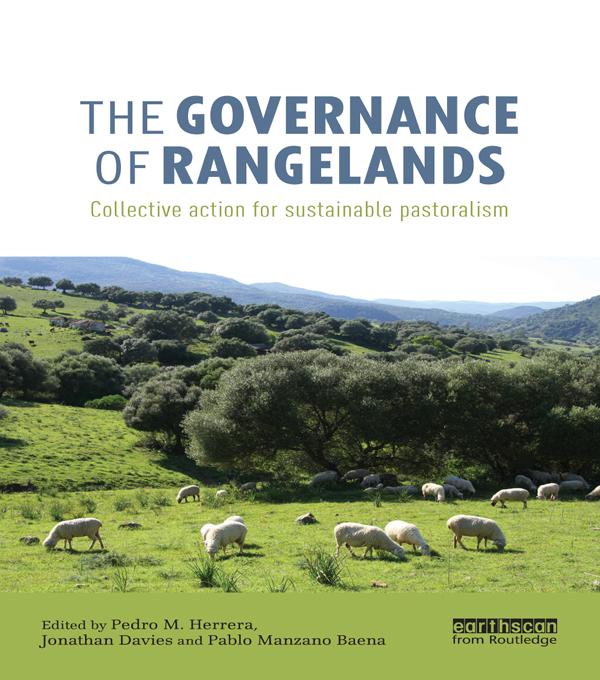
Rangelands are large natural landscapes that can include grasslands, shrublands, savannahs and woodlands. They are greatly influenced by, and often dependent on, the action of herbivores. In the majority of rangelands the dominant herbivores are found in domestic herds that are managed by mobile pastoralists. Most pastoralists manage their rangelands communally, benefitting from the greater flexibility and seasonal resource access that common property regimes can offer. As this book shows, this creates a major challenge for governance and institutions.
This work improves our understanding of the importance of governance, how it can be strengthened and the principles that underpin good governance, in order to prevent degradation of rangelands and ensure their sustainability. It describes the nature of governance at different levels: community governance, state governance, international governance, and the unique features of rangelands that demand collective action (issues of scale, ecological disequilibrium and seasonality).
A series of country case studies is presented, drawn from a wide spectrum of examples from Africa, the Middle East, Central Asia, Europe and North America. These provide contrasting lessons which are summarised to promote improved governance of rangelands and pastoralist livelihoods.
Betal nemt med kort, Klarna, Apple Pay eller Google Pay. Ikke tilfreds? Du har altid 14 dages fortrydelsesret. Læs mere i vores vilkår. Har du spørgsmål, så send os en mail på hello@memmo.org.
Memmo gør det nemmere at studere – uanset hvor du er i verden. Hos os samler du dine kursusbøger og smarte studieværktøjer ét sted: resuméer, quizzer, podcasts og flashcards. Og så er der Ted, din studieven, der svarer på alt, du undrer dig over. Over 50 000 studerende studerer allerede her – bygget til at hjælpe dig med at lære hurtigere og stresse mindre.