
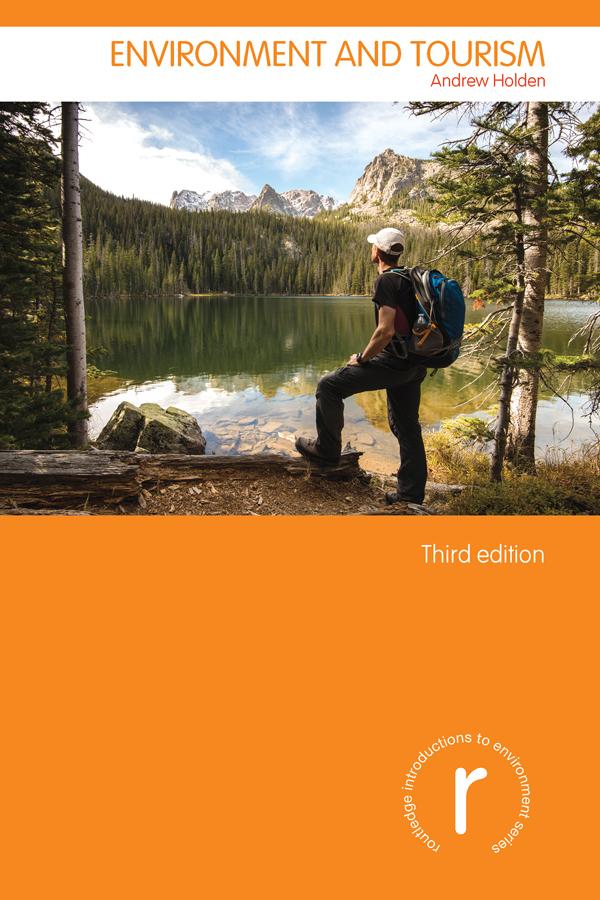
The global demand for tourism continues to increase as economic growth creates opportunities for its consumption as a lifestyle option across cultures. The spatial reach of recreational tourism into remoter environments reflects a desire to reconnect to nature that is partially created by the global trend toward urbanisation. At the same time, anthropogenic created environmental problems have led us to re-evaluate our relationship to nature and the values that are held by the environment. This third edition of Environment and Tourism incorporates additional material on environmental philosophies and ontologies of nature and how these influence our understanding of tourism’s relationship with the natural environment. In an epoch representing a critical juncture for the future well-being of the planet based on our relationship to nature, the text has been updated to reflect the growth in significance of the interaction between tourism and the natural environment as a part of this discourse. It communicates a range of key conceptual debates on the ethics and economics of the consuming nature for tourism and relates these to real world examples whilst evaluating environmental planning, and management responses. The book seeks to highlight the relevance of the significance of tourism for nature within the framework of society, as a system of inter-connected places across space and time, exploring the relationship of the environments of where tourists come from with the ones that they travel to.
The updated features include:
- new chapters on philosophies and constructs of the environment, environmental ethics, and tourist consumption
- an extensive range of international case studies used to illustrate the theoretical ideas presented
- boxes offering bite sized insights, and think points designed to encourage students to further engage with the topics discussed
Environment and Tourism emphasises a holistic view of the tourism system and how it interacts with nature, illustrating the positive and negative effects of this relationship. It emphasises how ontologies of the environment influence the planning and management of tourism for natural resource conservation and human development. It is an invaluable tool for anyone studying Human Geography, Tourism and Environmental Studies, as well as for policy makers and consultants working in the field of tourism development.
Betal nemt med kort, Klarna, Apple Pay eller Google Pay. Ikke tilfreds? Du har altid 14 dages fortrydelsesret. Læs mere i vores vilkår. Har du spørgsmål, så send os en mail på hello@memmo.org.
Memmo gør det nemmere at studere – uanset hvor du er i verden. Hos os samler du dine kursusbøger og smarte studieværktøjer ét sted: resuméer, quizzer, podcasts og flashcards. Og så er der Ted, din studieven, der svarer på alt, du undrer dig over. Over 50 000 studerende studerer allerede her – bygget til at hjælpe dig med at lære hurtigere og stresse mindre.