
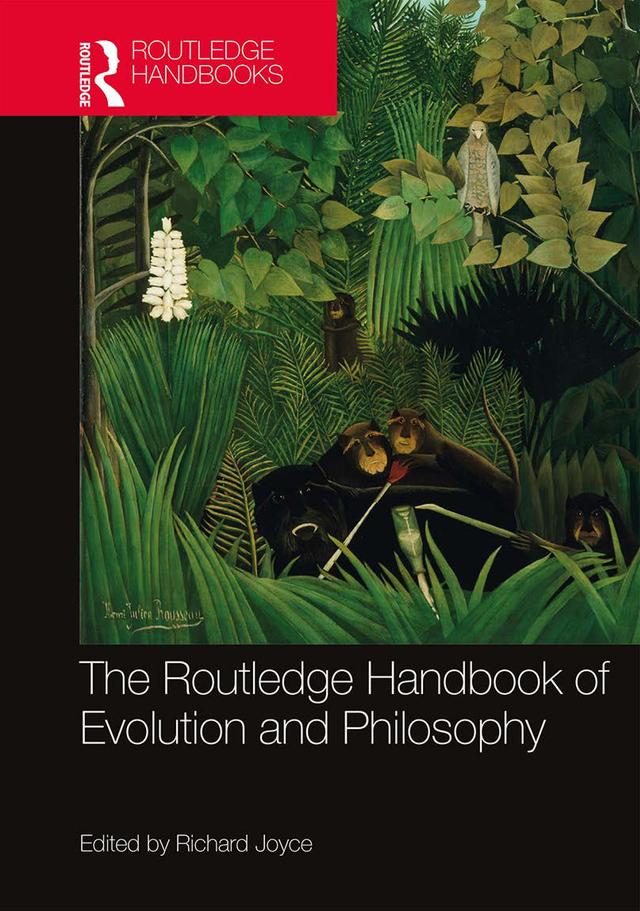
In recent years, the relation between contemporary academic philosophy and evolutionary theory has become ever more active, multifaceted, and productive. The connection is a bustling two-way street. In one direction, philosophers of biology make significant contributions to theoretical discussions about the nature of evolution (such as "What is a species?"; "What is reproductive fitness?"; "Does selection operate primarily on genes?"; and "What is an evolutionary function?"). In the other direction, a broader group of philosophers appeal to Darwinian selection in an attempt to illuminate traditional philosophical puzzles (such as "How could a brain-state have representational content?"; "Are moral judgments justified?"; "Why do we enjoy fiction?"; and "Are humans invariably selfish?"). In grappling with these questions, this interdisciplinary collection includes cutting-edge examples from both directions of traffic. The thirty contributions, written exclusively for this volume, are divided into six sections: The Nature of Selection; Evolution and Information; Human Nature; Evolution and Mind; Evolution and Ethics; and Evolution, Aesthetics, and Art. Many of the contributing philosophers and psychologists are international leaders in their fields.
Betal nemt med kort, Klarna, Apple Pay eller Google Pay. Ikke tilfreds? Du har altid 14 dages fortrydelsesret. Læs mere i vores vilkår. Har du spørgsmål, så send os en mail på hello@memmo.org.
Memmo gør det nemmere at studere – uanset hvor du er i verden. Hos os samler du dine kursusbøger og smarte studieværktøjer ét sted: resuméer, quizzer, podcasts og flashcards. Og så er der Ted, din studieven, der svarer på alt, du undrer dig over. Over 50 000 studerende studerer allerede her – bygget til at hjælpe dig med at lære hurtigere og stresse mindre.