
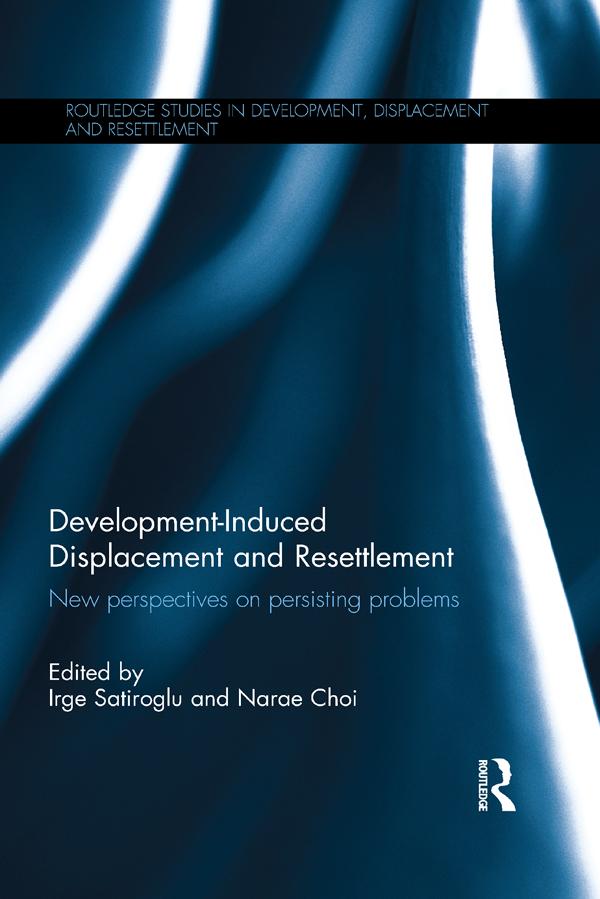
Every year millions of people are displaced from their homes, livelihoods and communities due to land-based development projects. There is no limit to what can be called a ‘development project’. They can range from small-scale infrastructure or mining projects to mega hydropower plants; can be public or private, well-planned or rushed into. Knowledge of development-induced displacement and resettlement (DIDR) remains limited even after decades of experience and research. Many questions are yet unanswered: What is "success" in resettlement? Is development without displacement possible or can resettlement be developmental? Is there a global safeguard policy or do we need an international right ‘not to be displaced’?
This book revisits what we think we know about DIDR. Starting with case studies that challenge some of the most widespread preconceptions, it goes on to discuss the ethical aspects of DIDR. The book assesses the current laws, policies and rights governing the sector, and provides a glimpse of how the displaced people defend themselves in the absence of effective governance and safeguard mechanisms.
This book is a valuable resource for students and researchers in development studies, population and development, and migration and development.
Betal nemt med kort, Klarna, Apple Pay eller Google Pay. Ikke tilfreds? Du har altid 14 dages fortrydelsesret. Læs mere i vores vilkår. Har du spørgsmål, så send os en mail på hello@memmo.org.
Memmo gør det nemmere at studere – uanset hvor du er i verden. Hos os samler du dine kursusbøger og smarte studieværktøjer ét sted: resuméer, quizzer, podcasts og flashcards. Og så er der Ted, din studieven, der svarer på alt, du undrer dig over. Over 50 000 studerende studerer allerede her – bygget til at hjælpe dig med at lære hurtigere og stresse mindre.