
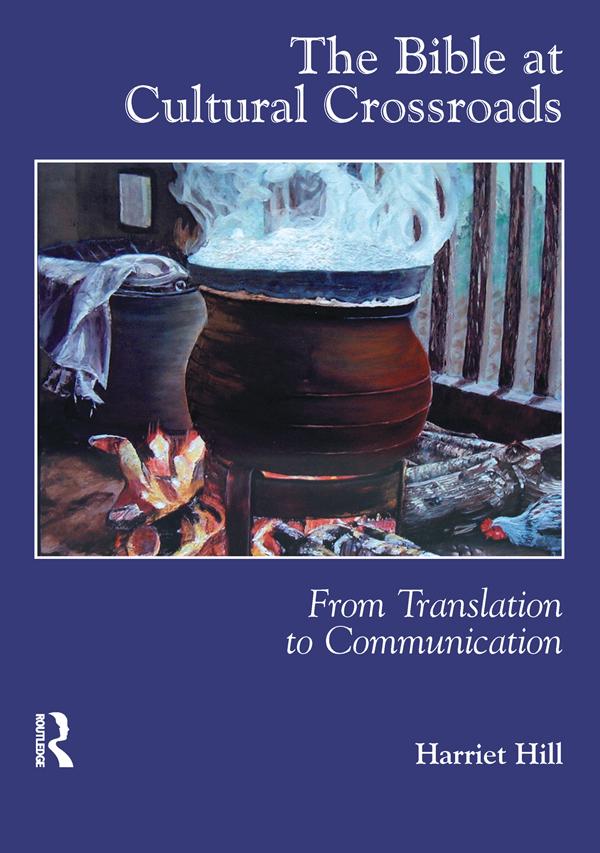
Bible translators have focused their efforts on preparing a text that is clear, natural and accurate, with the expectation that audiences will understand the message if it is in their language. Field research among the Adioukrou of Côte d'Ivoire shows that audiences also need to have access to the contextual information the author expected his audience to bring to the text. When such information is provided, both understanding of and interest in the message increase dramatically. These findings support Relevance Theory's claim that meaning is inferred from the interaction of text and context. To the extent that the contextual knowledge evoked by the text for contemporary audiences differs from that evoked for the first audience, understanding is impaired. The Bible at Cultural Crossroads presents a model to assist translators in identifying contextual mismatches and applies it on the thematic level to mismatches between first-century Jewish and Adioukrou views of the unseen world, and on the passage level to contextual mismatches arising from four Gospel passages. In-text and out-of-text solutions for adjusting contextual mismatches are explored, with field research results showing the effectiveness of various solutions. Context is shown to be both a significant factor in communication and a dynamic one. Translations of the text alone are not sufficient for successful communication.
Betal nemt med kort, Klarna, Apple Pay eller Google Pay. Ikke tilfreds? Du har altid 14 dages fortrydelsesret. Læs mere i vores vilkår. Har du spørgsmål, så send os en mail på hello@memmo.org.
Memmo gør det nemmere at studere – uanset hvor du er i verden. Hos os samler du dine kursusbøger og smarte studieværktøjer ét sted: resuméer, quizzer, podcasts og flashcards. Og så er der Ted, din studieven, der svarer på alt, du undrer dig over. Over 50 000 studerende studerer allerede her – bygget til at hjælpe dig med at lære hurtigere og stresse mindre.
Du kan måske også lide
Køb bogen0