
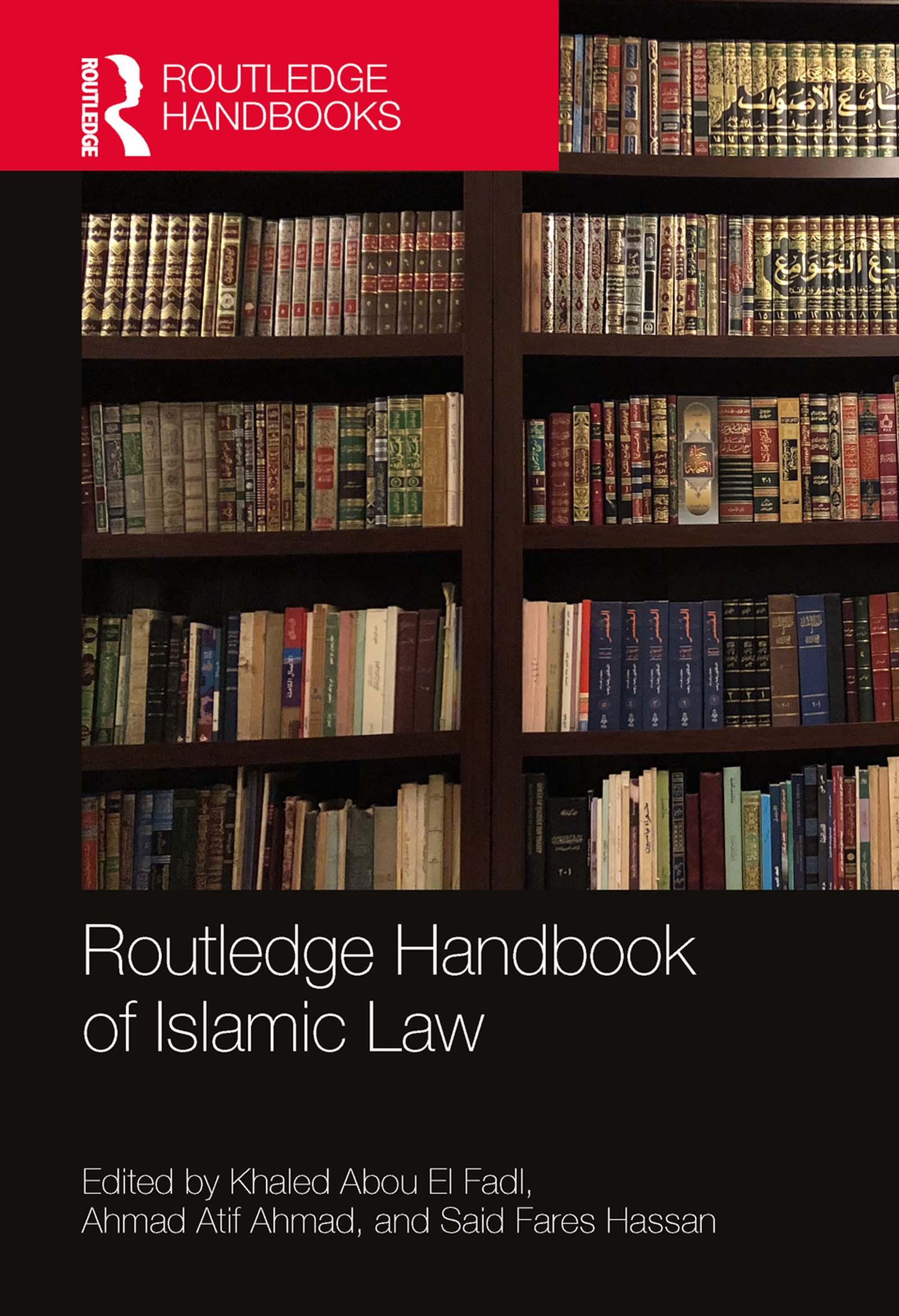
This handbook is a detailed reference source comprising original articles covering the origins, history, theory and practice of Islamic law. The handbook starts out by dealing with the question of what type of law is Islamic law and includes a critical analysis of the pedagogical approaches to studying and analysing Islamic law as a discipline. The handbook covers a broad range of issues, including the role of ethics in Islamic jurisprudence, the mechanics and processes of interpretation, the purposes and objectives of Islamic law, constitutional law and secularism, gender, bioethics, Muslim minorities in the West, jihad and terrorism.
Previous publications on this topic have approached Islamic law from a variety of disciplinary and pedagogical perspectives. One of the original features of this handbook is that it treats Islamic law as a legal discipline by taking into account the historical functions and processes of legal cultures and the patterns of legal thought.
With contributions from a selection of highly regarded and leading scholars in this field, the Routledge Handbook of Islamic Law is an essential resource for students and scholars who are interested in the field of Islamic Law.
Betal nemt med kort, Klarna, Apple Pay eller Google Pay. Ikke tilfreds? Du har altid 14 dages fortrydelsesret. Læs mere i vores vilkår. Har du spørgsmål, så send os en mail på hello@memmo.org.
Memmo gør det nemmere at studere – uanset hvor du er i verden. Hos os samler du dine kursusbøger og smarte studieværktøjer ét sted: resuméer, quizzer, podcasts og flashcards. Og så er der Ted, din studieven, der svarer på alt, du undrer dig over. Over 50 000 studerende studerer allerede her – bygget til at hjælpe dig med at lære hurtigere og stresse mindre.