
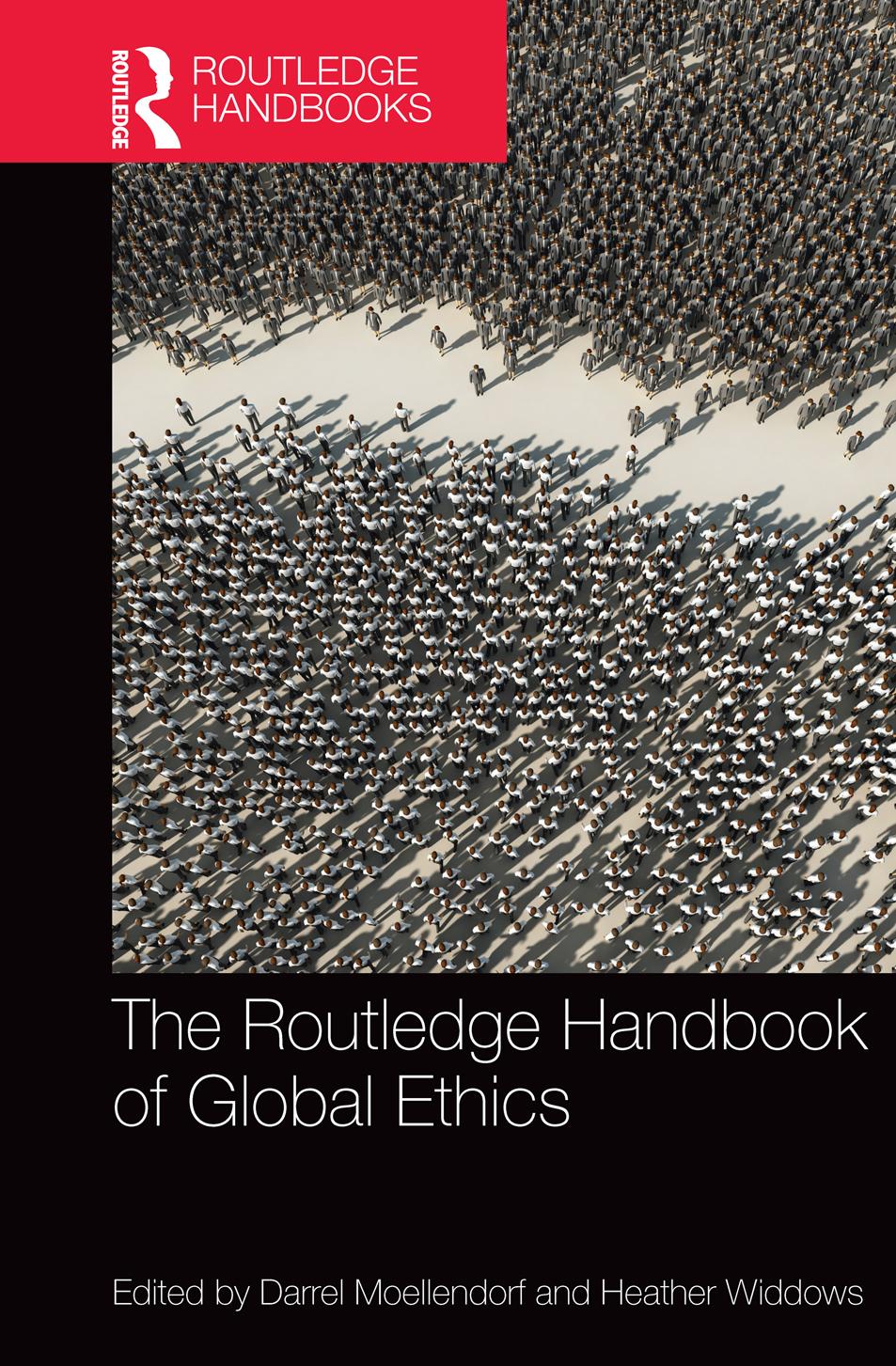
Global ethics focuses on the most pressing contemporary ethical issues - poverty, global trade, terrorism, torture, pollution, climate change and the management of scarce recourses. It draws on moral and political philosophy, political and social science, empirical research, and real-world policy and activism. The Routledge Handbook of Global Ethics is an outstanding reference source to the key topics, problems and debates in this exciting subject, presenting an authoritative overview of the most significant issues and ideas in global ethics. The 31 chapters by a team of international contributors are structured into six key parts:
- normative theory
- conflict and violence
- poverty and development
- economic justice
- bioethics and health justice
- environment and climate ethics.
Covering the theoretical and practical aspects of global ethics as well as policy, The Routledge Handbook of Philosophy of Global Ethics provides a benchmark for the study of global ethics to date, as well as outlining future developments. It will prove an invaluable reference for policy-makers, and is essential reading for students and researchers in philosophy, international relations, political science, environmental and development studies and human rights law.
Betal nemt med kort, Klarna, Apple Pay eller Google Pay. Ikke tilfreds? Du har altid 14 dages fortrydelsesret. Læs mere i vores vilkår. Har du spørgsmål, så send os en mail på hello@memmo.org.
Memmo gør det nemmere at studere – uanset hvor du er i verden. Hos os samler du dine kursusbøger og smarte studieværktøjer ét sted: resuméer, quizzer, podcasts og flashcards. Og så er der Ted, din studieven, der svarer på alt, du undrer dig over. Over 50 000 studerende studerer allerede her – bygget til at hjælpe dig med at lære hurtigere og stresse mindre.