
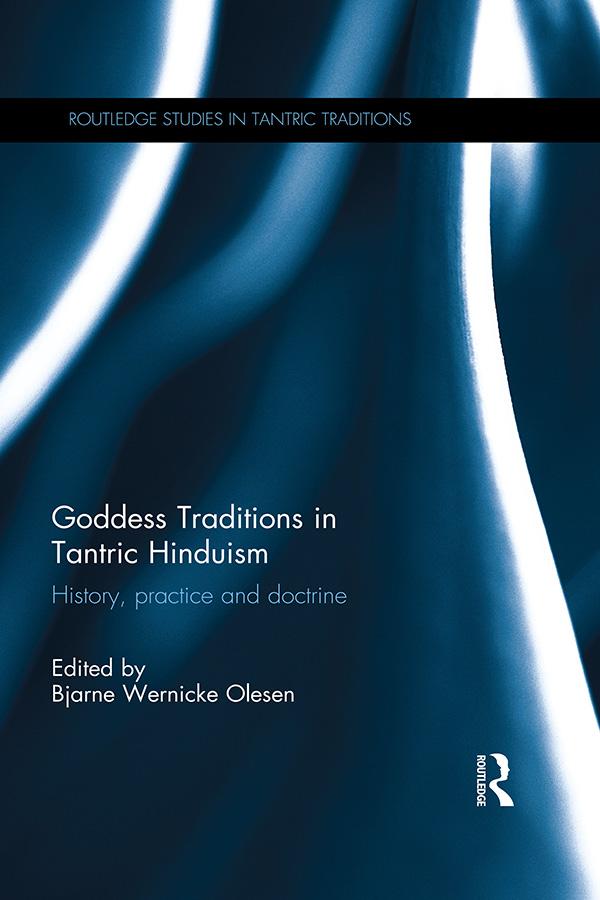
Hinduism cannot be understood without the Great Goddess and the goddess-orientated Śākta traditions. The Goddess pervades Hinduism at all levels, from aniconic village deities to high-caste pan-Hindu goddesses to esoteric, tantric goddesses. Nevertheless, the highly influential tantric forms of South Asian goddess worship have only recently begun to draw scholarly attention. This book addresses the increasing interest in the Great Goddess and the tantric traditions of India by exploring the history, doctrine and practices of the Śākta tantric traditions.
The highly influential tantric forms of South Asian goddess worship form a major part of what is known as ‘Śāktism’, and is often considered one of the major branches of Hinduism next to Śaivism, Vaiṣṇavism and Smārtism. Śāktism is, however, less clearly defined than the other major branches, and the book looks at the texts of the Śākta traditions that constitute the primary sources for gaining insights into the Śākta religious imaginative, ritual practices and history. It provides an historical exploration of distinctive Indian ways of imagining God as Goddess, and surveys the important origins and developments within Śākta history, practice and doctrine in its diversity.
Bringing together contributions from some of the foremost scholars in the field of tantric studies, the book provides a platform for the continued research into Hindu goddesses, yoga, and tantra for those interested in understanding the religion and culture in South Asia.
Betal nemt med kort, Klarna, Apple Pay eller Google Pay. Ikke tilfreds? Du har altid 14 dages fortrydelsesret. Læs mere i vores vilkår. Har du spørgsmål, så send os en mail på hello@memmo.org.
Memmo gør det nemmere at studere – uanset hvor du er i verden. Hos os samler du dine kursusbøger og smarte studieværktøjer ét sted: resuméer, quizzer, podcasts og flashcards. Og så er der Ted, din studieven, der svarer på alt, du undrer dig over. Over 50 000 studerende studerer allerede her – bygget til at hjælpe dig med at lære hurtigere og stresse mindre.