
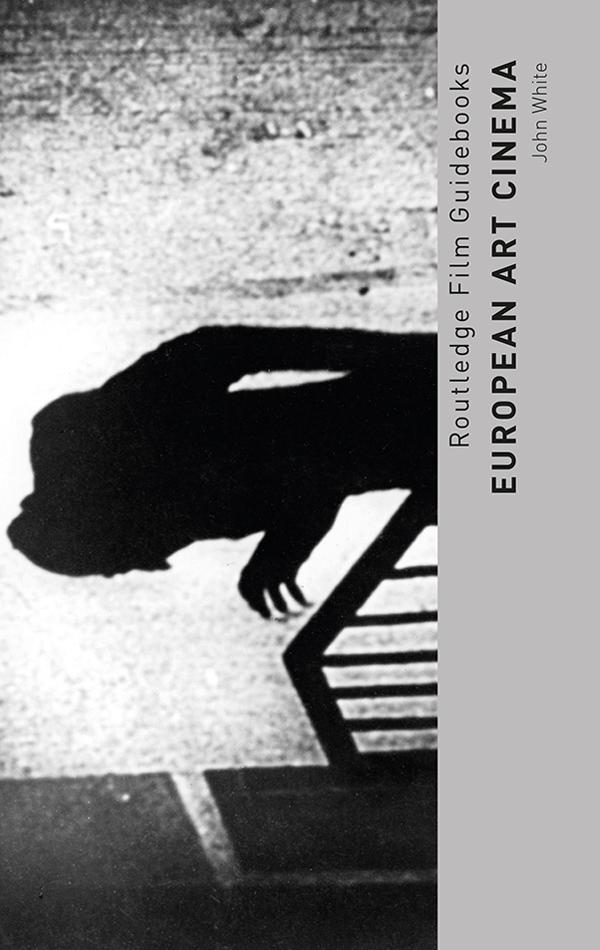
European art cinema includes some of the most famous films in cinema history. It is elite filmmaking that stands in direct opposition to popular cinema; and yet, it also has an intimate relationship with Hollywood.
This guidebook sketches successive phases of art cinema in Europe from its early beginnings of putting Shakespeare’s plays on the screen, through movements such as Expressionism and Surrealism, to the New Waves of the 1960s and more recent incarnations like Dogme 95. Using film examples, John White examines basic critical approaches to art cinema such as semiotics and auteur theory, as well as addressing recurring themes and ideas such as existentialism and Christian belief. The different levels of political commitment and social criticism, which appear in many of these films, are also discussed.
The book includes case studies of eight representative films:
• The Cabinet of Dr Caligari (Wiene, 1920)
• Earth (Dovzhenko, 1930)
• A Man Escaped (Bresson, 1956)
• Hiroshima mon amour (Resnais, 1959)
• Aguirre, Wrath of God (Herzog, 1972)
• Comrades (Douglas, 1986)
• Le Quattro Volte (Frammartino, 2010)
• Silence (Collins, 2012).
Betal nemt med kort, Klarna, Apple Pay eller Google Pay. Ikke tilfreds? Du har altid 14 dages fortrydelsesret. Læs mere i vores vilkår. Har du spørgsmål, så send os en mail på hello@memmo.org.
Memmo gør det nemmere at studere – uanset hvor du er i verden. Hos os samler du dine kursusbøger og smarte studieværktøjer ét sted: resuméer, quizzer, podcasts og flashcards. Og så er der Ted, din studieven, der svarer på alt, du undrer dig over. Over 50 000 studerende studerer allerede her – bygget til at hjælpe dig med at lære hurtigere og stresse mindre.