
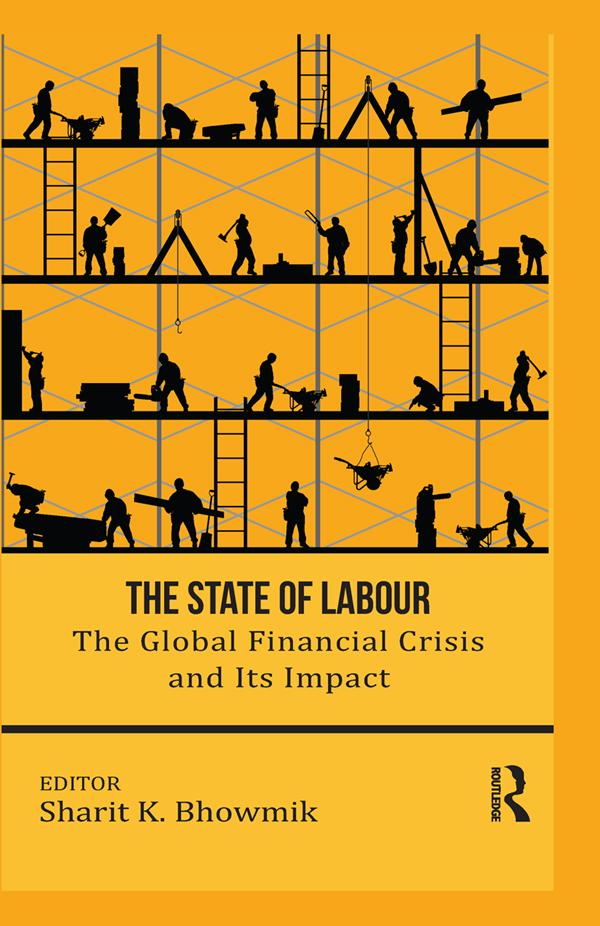
This book analyzes the adverse effects of globalization and liberalization — acutely manifest in the increased financialization of capital and the concomitant global financial crisis of 2008–09 — on the labour force, especially in the developing countries. Drawing upon case studies from several countries including India, Columbia, Malawi, Brazil and Thailand, it highlights the worsening plight of working class as a whole and informal labour in particular. The essays examine issues such as down-sizing, lowering of wages, insecurity and erosion of labour rights, and show how labour is grappling with the situation.
The volume critically re-assesses varied aspects of the growing informal sector: its dubious credential as an employment provider during crises; its non-adherence to internationally recognized standards of decent work; the problems and potential of workers' unions; and the need for a regulatory regime. It also discusses changes in the Indian labour market induced by business environment and technology as well as its future dynamics. Presenting a historical review of labour markets, the work explores the deregulation wave under the globalization of 1980s and the interactions between existing unstable asset markets and labour markets.
The book will prove especially useful to students and scholars in economics, labour studies and sociology, and those engaged in public policy and governance.
Betal nemt med kort, Klarna, Apple Pay eller Google Pay. Ikke tilfreds? Du har altid 14 dages fortrydelsesret. Læs mere i vores vilkår. Har du spørgsmål, så send os en mail på hello@memmo.org.
Memmo gør det nemmere at studere – uanset hvor du er i verden. Hos os samler du dine kursusbøger og smarte studieværktøjer ét sted: resuméer, quizzer, podcasts og flashcards. Og så er der Ted, din studieven, der svarer på alt, du undrer dig over. Over 50 000 studerende studerer allerede her – bygget til at hjælpe dig med at lære hurtigere og stresse mindre.