
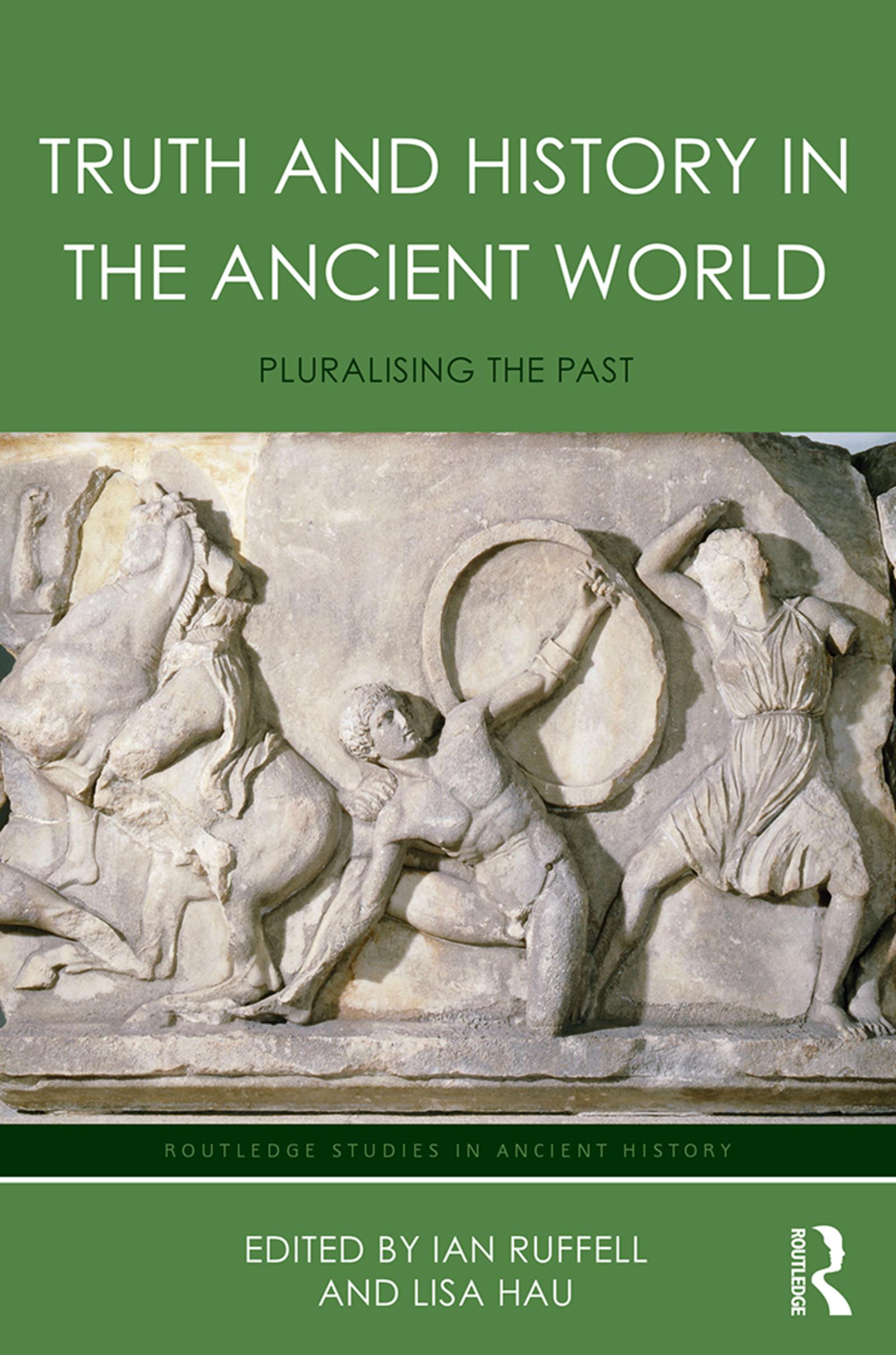
This collection of essays investigates histories in the ancient world and the extent to which the producers and consumers of those histories believed them to be true. Ancient Greek historiographers repeatedly stressed the importance of truth to history; yet they also purported to believe in myth, distorted facts for nationalistic or moralizing purposes, and omitted events that modern audiences might consider crucial to a truthful account of the past. Truth and History in the Ancient World explores a pluralistic concept of truth – one in which different versions of the same historical event can all be true – or different kinds of truths and modes of belief are contingent on culture.
Beginning with comparisons between historiography and aspects of belief in Greek tragedy, chapters include discussions of historiography through the works of Herodotus, Xenophon, and Ktesias, as well as Hellenistic and later historiography, material culture in Vitruvius, and Lucian’s satire. Rather than investigate whether historiography incorporates elements of poetic, rhetorical, or narrative techniques to shape historical accounts, or whether cultural memory is flexible or manipulated, this volume examines pluralities of truth and belief within the ancient world – and consequences for our understanding of culture, ancient or otherwise.
Betal nemt med kort, Klarna, Apple Pay eller Google Pay. Ikke tilfreds? Du har altid 14 dages fortrydelsesret. Læs mere i vores vilkår. Har du spørgsmål, så send os en mail på hello@memmo.org.
Memmo gør det nemmere at studere – uanset hvor du er i verden. Hos os samler du dine kursusbøger og smarte studieværktøjer ét sted: resuméer, quizzer, podcasts og flashcards. Og så er der Ted, din studieven, der svarer på alt, du undrer dig over. Over 50 000 studerende studerer allerede her – bygget til at hjælpe dig med at lære hurtigere og stresse mindre.