
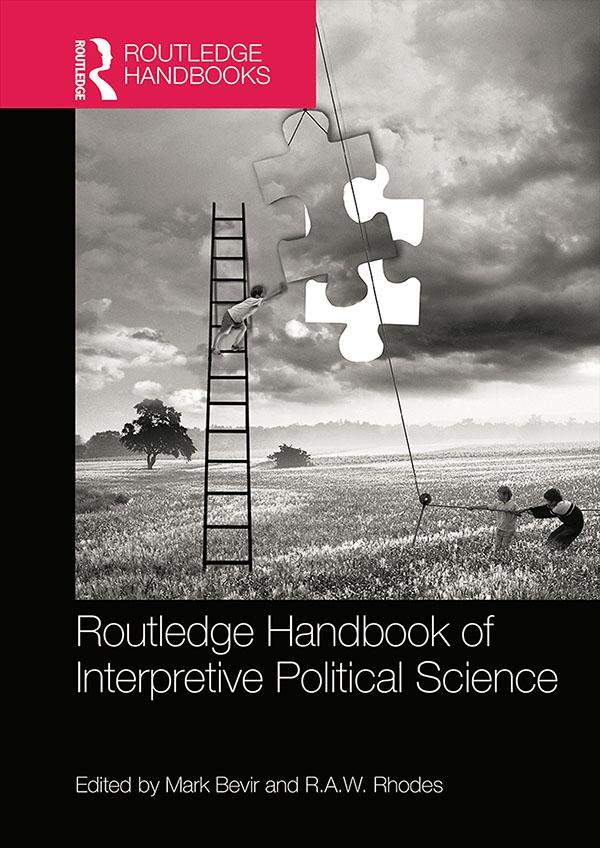
Interpretive political science focuses on the meanings that shape actions and institutions, and the ways in which they do so. This Handbook explores the implications of interpretive theory for the study of politics. It provides the first definitive survey of the field edited by two of its pioneers. Written by leading scholars from a range of disciplinary backgrounds, the Handbook’s 32 chapters are split into five parts which explore:
- the contrast between interpretive theory and mainstream political science;
- the main forms of interpretive theory and the theoretical concepts associated with interpretive political science;
- the methods used by interpretive political scientists;
- the insights provided by interpretive political science on empirical topics;
- the implications of interpretive political science for professional practices such as policy analysis, planning, accountancy, and public health.
With an emphasis on the applications of interpretive political science to a range of topics and disciplines, this Handbook is an invaluable resource for students, scholars, and practitioners in the areas of international relations, comparative politics, political sociology, political psychology, and public administration.
Betal nemt med kort, Klarna, Apple Pay eller Google Pay. Ikke tilfreds? Du har altid 14 dages fortrydelsesret. Læs mere i vores vilkår. Har du spørgsmål, så send os en mail på hello@memmo.org.
Memmo gør det nemmere at studere – uanset hvor du er i verden. Hos os samler du dine kursusbøger og smarte studieværktøjer ét sted: resuméer, quizzer, podcasts og flashcards. Og så er der Ted, din studieven, der svarer på alt, du undrer dig over. Over 50 000 studerende studerer allerede her – bygget til at hjælpe dig med at lære hurtigere og stresse mindre.