
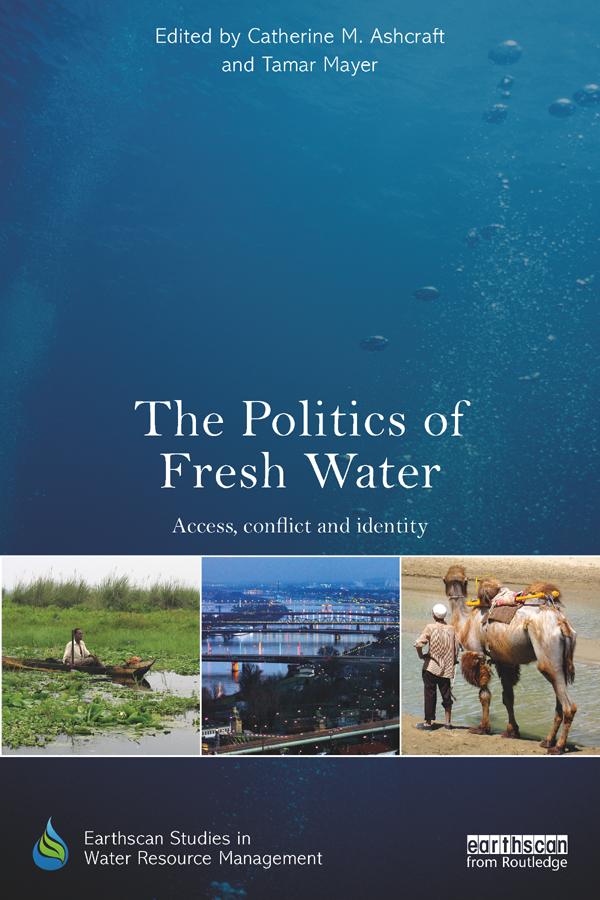
Water scarcity is not simply the result of what nature has to offer but always involves power relations and political decisions. This volume discusses the politics of the freshwater crisis, specifically how access to water is determined in different regions and historical periods, how conflict is constructed and managed, and how identity and efforts to control water systems, through development, technologies, and institutions, shape one another.
The book analyzes responses to the water crisis as efforts to mitigate water insecurity and as expressions of collective identity that legitimate, resist, or seek to transform existing inequalities. The chapters focus on different processes that contribute to freshwater scarcity, including land use decisions, pollution, privatization, damming, climate change, discrimination, water management institutions and technology. Case studies are included from North and South America, Africa, Asia, Europe and New Zealand.
Betal nemt med kort, Klarna, Apple Pay eller Google Pay. Ikke tilfreds? Du har altid 14 dages fortrydelsesret. Læs mere i vores vilkår. Har du spørgsmål, så send os en mail på hello@memmo.org.
Memmo gør det nemmere at studere – uanset hvor du er i verden. Hos os samler du dine kursusbøger og smarte studieværktøjer ét sted: resuméer, quizzer, podcasts og flashcards. Og så er der Ted, din studieven, der svarer på alt, du undrer dig over. Over 50 000 studerende studerer allerede her – bygget til at hjælpe dig med at lære hurtigere og stresse mindre.