
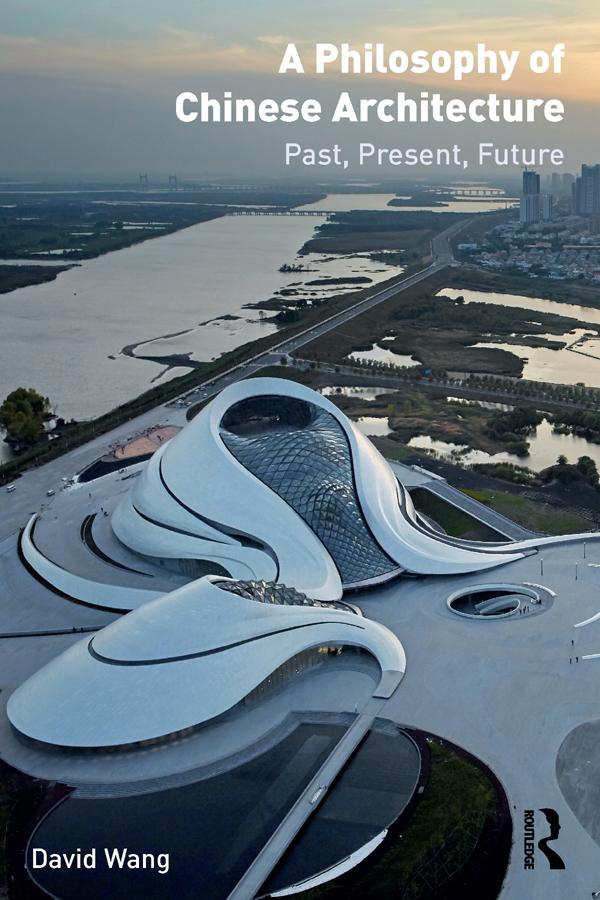
A Philosophy of Chinese Architecture: Past, Present, Future examines the impact of Chinese philosophy on China’s historic structures, as well as on modern Chinese urban aesthetics and architectural forms. For architecture in China moving forward, author David Wang posits a theory, the New Virtualism, which links current trends in computational design with long-standing Chinese philosophical themes. The book also assesses twentieth-century Chinese architecture through the lenses of positivism, consciousness (phenomenology), and linguistics (structuralism and poststructuralism). Illustrated with over 70 black-and-white images, this book establishes philosophical baselines for assessing architectural developments in China, past, present and future.
Betal nemt med kort, Klarna, Apple Pay eller Google Pay. Ikke tilfreds? Du har altid 14 dages fortrydelsesret. Læs mere i vores vilkår. Har du spørgsmål, så send os en mail på hello@memmo.org.
Memmo gør det nemmere at studere – uanset hvor du er i verden. Hos os samler du dine kursusbøger og smarte studieværktøjer ét sted: resuméer, quizzer, podcasts og flashcards. Og så er der Ted, din studieven, der svarer på alt, du undrer dig over. Over 50 000 studerende studerer allerede her – bygget til at hjælpe dig med at lære hurtigere og stresse mindre.