
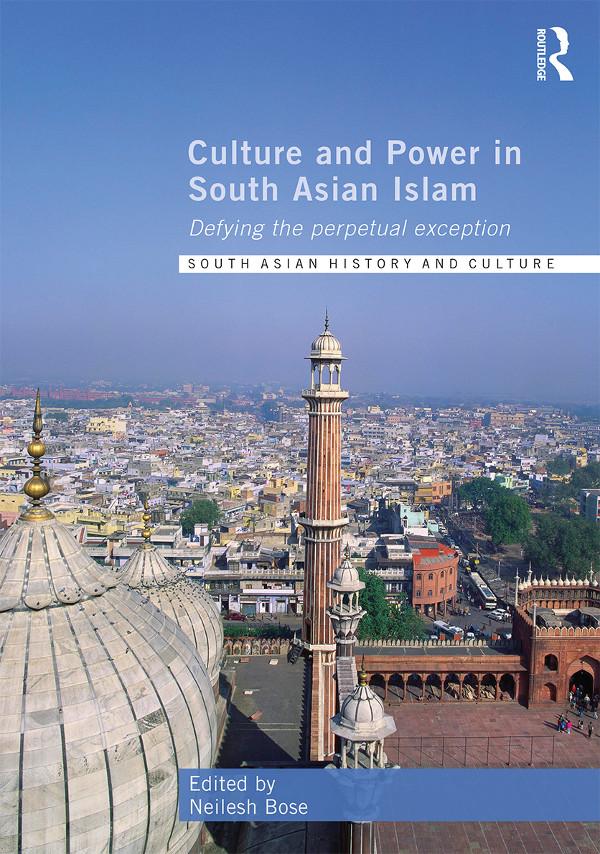
This book explores the myriad diversities of South Asian Islam from a historical perspective attuned to the lived practices of Muslims in various portions of South Asia, outside of Urdu, Persian, or Arabic language perspectives. These perspectives are, in some cases taken both from literal regions rarely noticed within discussions of South Asian Islam, such as Sri Lanka, Bengal, and Tamil Nadu. In other contributions the perspectives draw on historiographic interventions about the role of fakīrs in South Asian history, qasbahs in South Asian history, and the role of Aligarh students within the Pakistan movement. As a collection of voices aimed at stimulating debate about the range and diversity of South Asian Islam, the book probes meanings and markers of categories like "Indic," "Islamicate," and "local" or "global" Islam within the context of South Asia. Relevant to debates in the history of South Asia as well as Islamic studies, this collection will serve as a reference point for discussions about South Asian Islam as well as the nature and role of vernacularization as a cultural process. This book was originally published as a special issue of South Asian History and Culture.
Betal nemt med kort, Klarna, Apple Pay eller Google Pay. Ikke tilfreds? Du har altid 14 dages fortrydelsesret. Læs mere i vores vilkår. Har du spørgsmål, så send os en mail på hello@memmo.org.
Memmo gør det nemmere at studere – uanset hvor du er i verden. Hos os samler du dine kursusbøger og smarte studieværktøjer ét sted: resuméer, quizzer, podcasts og flashcards. Og så er der Ted, din studieven, der svarer på alt, du undrer dig over. Over 50 000 studerende studerer allerede her – bygget til at hjælpe dig med at lære hurtigere og stresse mindre.