
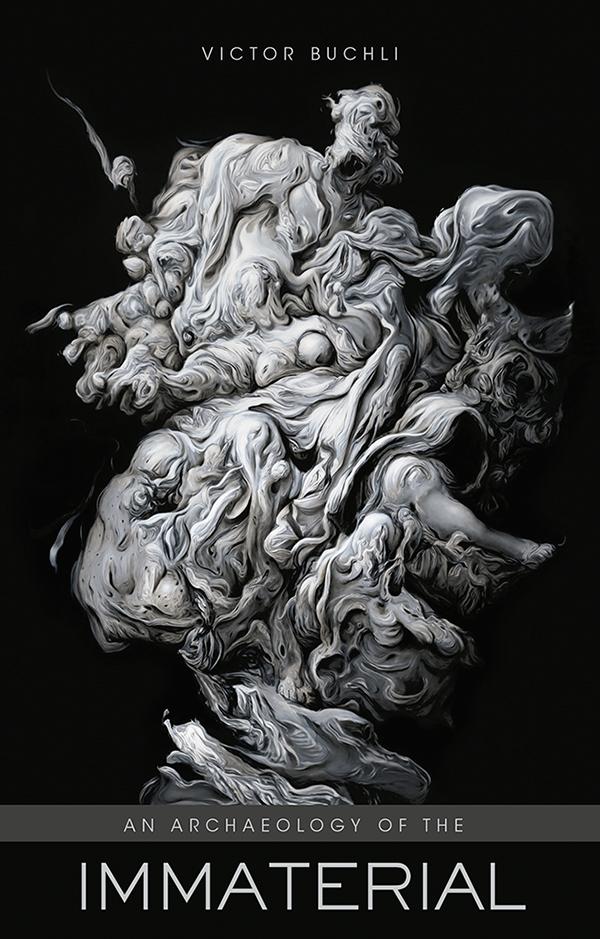
An Archaeology of the Immaterial examines a highly significant but poorly understood aspect of material culture studies: the active rejection of the material world. Buchli argues that this is evident in a number of cultural projects, including anti-consumerism and asceticism, as well as other attempts to transcend material circumstances. Exploring the cultural work which can be achieved when the material is rejected, and the social effects of these ‘dematerialisations’, this book situates the way some people disengage from the world as a specific kind of physical engagement which has profound implications for our understanding of personhood and materiality.
Using case studies which range widely in time over Western societies and the technologies of materialising the immaterial, from icons to the scanning tunnelling microscope and 3-D printing, Buchli addresses the significance of immateriality for our own economics, cultural perceptions, and emerging forms of social inclusion and exclusion. An Archaeology of the Immaterial is thus an important and innovative contribution to material cultural studies which demonstrates that the making of the immaterial is, like the making of the material, a profoundly powerful operation which works to exert social control and delineate the borders of the imaginable and the enfranchised.
Betal nemt med kort, Klarna, Apple Pay eller Google Pay. Ikke tilfreds? Du har altid 14 dages fortrydelsesret. Læs mere i vores vilkår. Har du spørgsmål, så send os en mail på hello@memmo.org.
Memmo gør det nemmere at studere – uanset hvor du er i verden. Hos os samler du dine kursusbøger og smarte studieværktøjer ét sted: resuméer, quizzer, podcasts og flashcards. Og så er der Ted, din studieven, der svarer på alt, du undrer dig over. Over 50 000 studerende studerer allerede her – bygget til at hjælpe dig med at lære hurtigere og stresse mindre.