
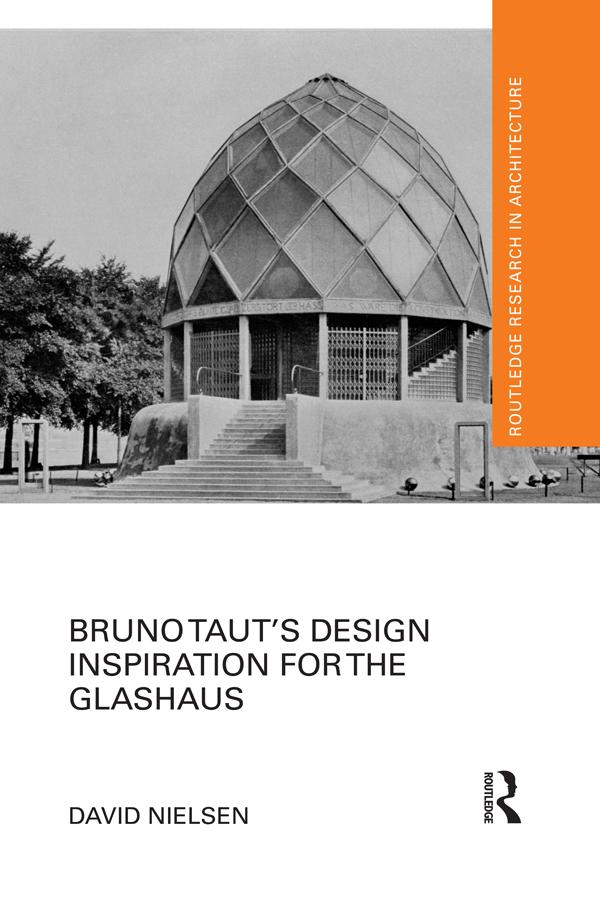
As a formative exemplar of early architectural modernism, Bruno Taut’s seminal exhibition pavilion the Glashaus (literally translated Glasshouse) is logically part of the important debate of rethinking the origins of modernism. However, the historical record of Bruno Taut’s Glashaus has been primarily established by one art historian and critic. As a result the historical record of the Glashaus is significantly skewed toward a singlular notion of Expressionism and surprisingly excludes Taut’s diverse motives for the design of the building.
In an effort to clarify the problematic historical record of the Glashaus, this book exposes Bruno Taut’s motives and inspirations for its design. The result is that Taut’s motives can be found in yet unacknowledged precedents like the botanical inspiration of the Victoria regia lily; the commercial interests of Frederick Keppler as the Director of the Deutche Luxfer Prismen Syndikat; and imitation that derived openly from the Gothic. The outcome is a substantial contribution to the re-evaluation of the generally accepted histories of the modern movement in architecture.
Betal nemt med kort, Klarna, Apple Pay eller Google Pay. Ikke tilfreds? Du har altid 14 dages fortrydelsesret. Læs mere i vores vilkår. Har du spørgsmål, så send os en mail på hello@memmo.org.
Memmo gør det nemmere at studere – uanset hvor du er i verden. Hos os samler du dine kursusbøger og smarte studieværktøjer ét sted: resuméer, quizzer, podcasts og flashcards. Og så er der Ted, din studieven, der svarer på alt, du undrer dig over. Over 50 000 studerende studerer allerede her – bygget til at hjælpe dig med at lære hurtigere og stresse mindre.