
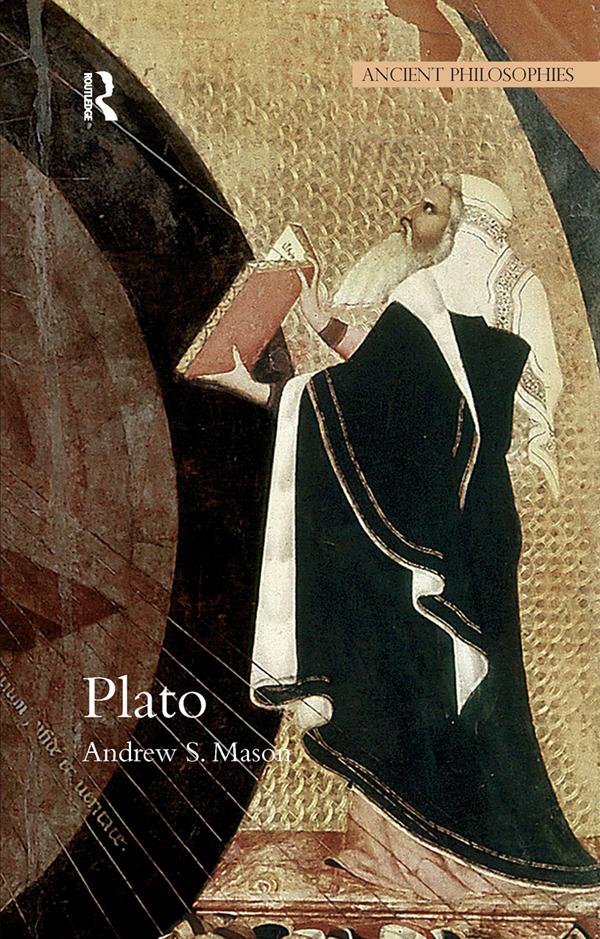
Plato (c.428-347 BCE) stands at the beginning of many debates that have continued throughout the history of philosophy. His literary career spanned fifty years and the influence of his ideas and those of his followers pervaded philosophy throughout antiquity. Andrew Mason's lucid and engaging introduction, draws on recent scholarship to offer a fresh general survey of Plato's philosophy. Aware of the methodological challenges that confront any writer on Plato, Mason handles the issue of Plato's intellectual development and relationship with Socrates with an assured grasp. Thematically structured, the book begins with Plato's principal contribution to metaphysics, the 'Theory of Forms', which forms a necessary background to his thought in many areas. His theory of knowledge, which is intimately linked with the Forms is explored in detail along with Plato's views of the soul, an important theme in itself and an entry point to discussion of his ethics, one of Plato's major concerns. Finally, the book deals with two areas of Plato's thought which have had an especially important historical impact, not confined to academic philosophy: his theory of God and nature, and his aesthetics. Throughout, Mason highlights the continuing themes in Plato's work and how they develop from one dialogue to another.
Betal nemt med kort, Klarna, Apple Pay eller Google Pay. Ikke tilfreds? Du har altid 14 dages fortrydelsesret. Læs mere i vores vilkår. Har du spørgsmål, så send os en mail på hello@memmo.org.
Memmo gør det nemmere at studere – uanset hvor du er i verden. Hos os samler du dine kursusbøger og smarte studieværktøjer ét sted: resuméer, quizzer, podcasts og flashcards. Og så er der Ted, din studieven, der svarer på alt, du undrer dig over. Over 50 000 studerende studerer allerede her – bygget til at hjælpe dig med at lære hurtigere og stresse mindre.
Du kan måske også lide
Køb bogen0