
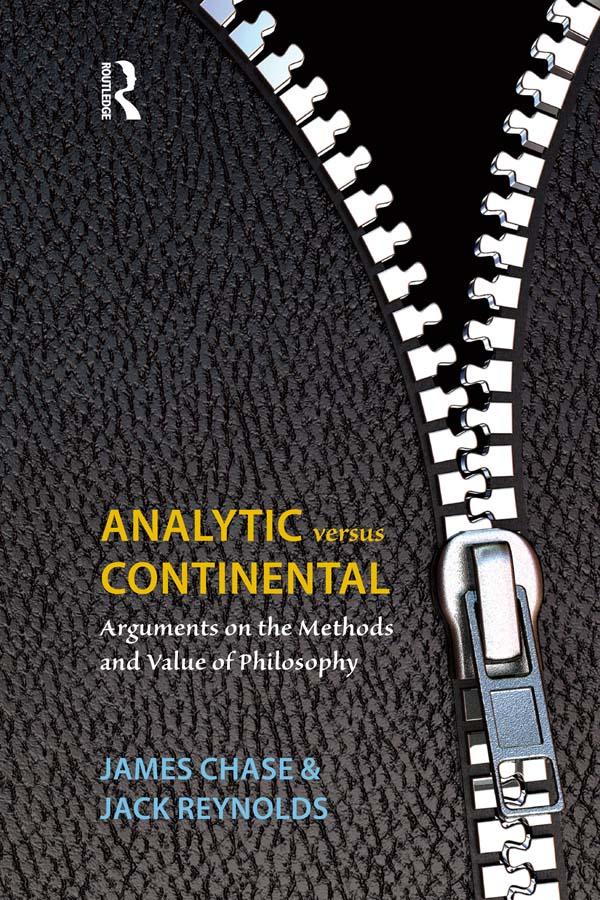
Throughout much of the twentieth century, the relationship between analytic and continental philosophy has been one of disinterest, caution or hostility. Recent debates in philosophy have highlighted some of the similarities between the two approaches and even envisaged a post-continental and post-analytic philosophy. Opening with a history of key encounters between philosophers of opposing camps since the late nineteenth century - from Frege and Husserl to Derrida and Searle - the book goes on to explore in detail the main methodological differences between the two approaches. This covers a very wide range of topics, from issues of style and clarity of exposition to formal methods arising from logic and probability theory. The final section of this book presents a balanced critique of the two schools' approaches to key issues such as time, truth, subjectivity, mind and body, language and meaning, and ethics. "Analytic versus Continental" is the first sustained analysis of both approaches to philosophy, examining the limits and possibilities of each. It provides a clear overview of a much-disputed history and, in highlighting the strengths and weaknesses of both traditions, also offers future directions for both continental and analytic philosophy.
Betal nemt med kort, Klarna, Apple Pay eller Google Pay. Ikke tilfreds? Du har altid 14 dages fortrydelsesret. Læs mere i vores vilkår. Har du spørgsmål, så send os en mail på hello@memmo.org.
Memmo gør det nemmere at studere – uanset hvor du er i verden. Hos os samler du dine kursusbøger og smarte studieværktøjer ét sted: resuméer, quizzer, podcasts og flashcards. Og så er der Ted, din studieven, der svarer på alt, du undrer dig over. Over 50 000 studerende studerer allerede her – bygget til at hjælpe dig med at lære hurtigere og stresse mindre.
Du kan måske også lide
Køb bogen0