
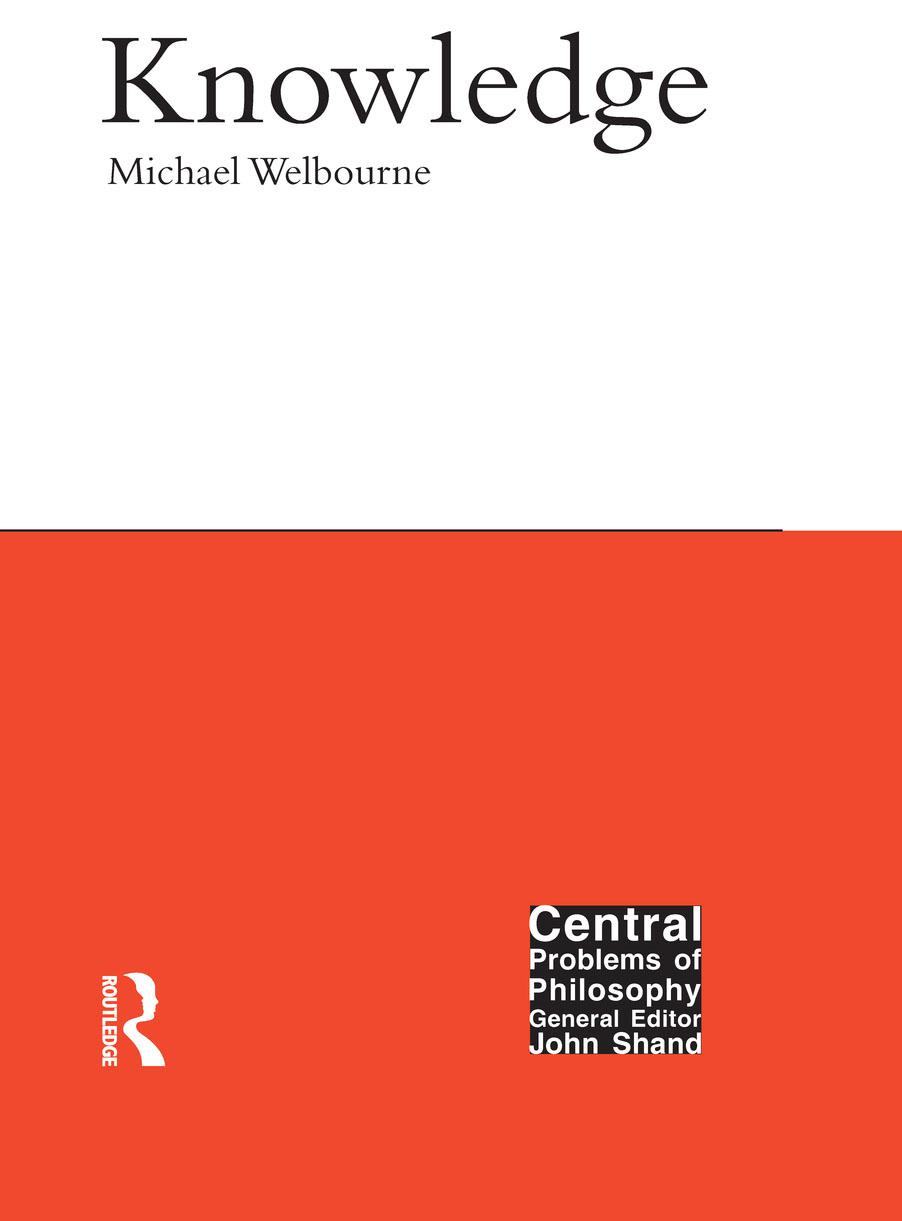
What is it about knowledge that makes us value it more highly than mere true belief? This question lies at the heart of epistemology and has challenged philosophers ever since it was first posed by Plato. Michael Welbourne's examination of the historical and contemporary answers to this question provides both an excellent introduction to the development of epistemology but also a new theory of the nature of knowledge. The early chapters introduce the main themes and questions that have provided the context for modern discussions. The Platonic beginnings, Cartesian individualism and the tripartite analyses of knowledge are examined in turn. In the second half of this book, the focus shifts from conceptual analysis to an examination of the social practices surrounding knowledge, placing special emphasis on the notion of testimony. The author argues originally and persuasively that our idea of knowledge has its roots in communicative practices and that thinking about how testimony works as a source of beliefs actually gives us a handle on the very idea of knowledge itself. This book will be essential reading for anyone interested in epistemology, the philosophy of language, or the intersection between the two areas.
Betal nemt med kort, Klarna, Apple Pay eller Google Pay. Ikke tilfreds? Du har altid 14 dages fortrydelsesret. Læs mere i vores vilkår. Har du spørgsmål, så send os en mail på hello@memmo.org.
Memmo gør det nemmere at studere – uanset hvor du er i verden. Hos os samler du dine kursusbøger og smarte studieværktøjer ét sted: resuméer, quizzer, podcasts og flashcards. Og så er der Ted, din studieven, der svarer på alt, du undrer dig over. Over 50 000 studerende studerer allerede her – bygget til at hjælpe dig med at lære hurtigere og stresse mindre.
Du kan måske også lide
Køb bogen0