
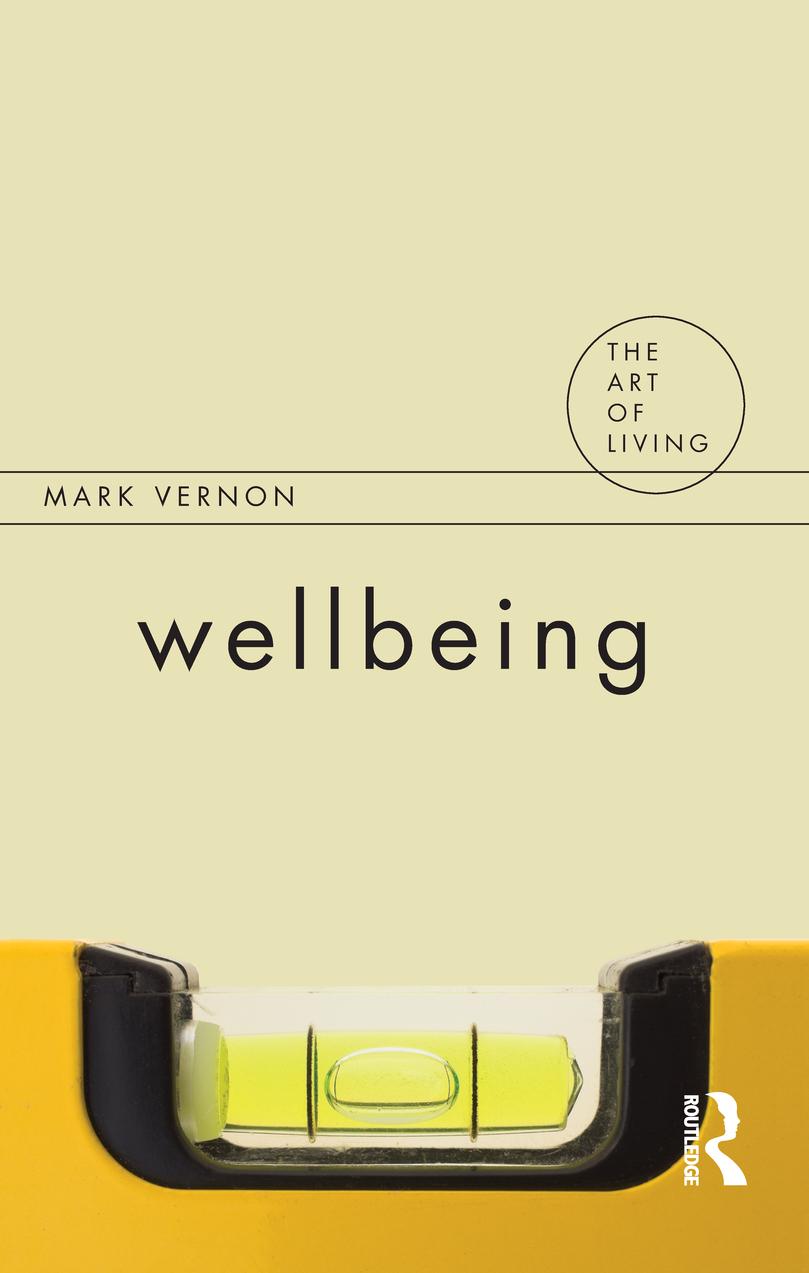
The politics of wellbeing and the new science of happiness have shot up the agenda since Martin Seligman coined the phrase "positive psychology". After all, who does not want to live the good life? So ten years on, why is it that much of this otherwise welcome debate sounds like as much apple-pie - "work less", "earn enough", "keep fit", "find meaning", "enjoy freedoms"? The reason is not, ultimately, cynicism. Rather, it is because a central, tricky question is being glossed over: just what is wellbeing? Mark Vernon argues that positive psychology has overlooked and sidelined the ancient wisdom on wellbeing, notably from the Greek philosophers. Now is the time to pay it proper attention.Vernon shows, surprisingly, that wellbeing is not found in a focus on pleasure, or even the pursuit of happiness itself. Rather, it is a question of meaning and responding to the great challenge of our day: the search for transcendence. For at root, the life that is going well cultivates a way of life based upon love: it is that which draws you out of yourself - in friends, hopes and ultimately the contemplation of mystery - and orientates a life towards that which is good.
Betal nemt med kort, Klarna, Apple Pay eller Google Pay. Ikke tilfreds? Du har altid 14 dages fortrydelsesret. Læs mere i vores vilkår. Har du spørgsmål, så send os en mail på hello@memmo.org.
Memmo gør det nemmere at studere – uanset hvor du er i verden. Hos os samler du dine kursusbøger og smarte studieværktøjer ét sted: resuméer, quizzer, podcasts og flashcards. Og så er der Ted, din studieven, der svarer på alt, du undrer dig over. Over 50 000 studerende studerer allerede her – bygget til at hjælpe dig med at lære hurtigere og stresse mindre.
Du kan måske også lide
Køb bogen0