
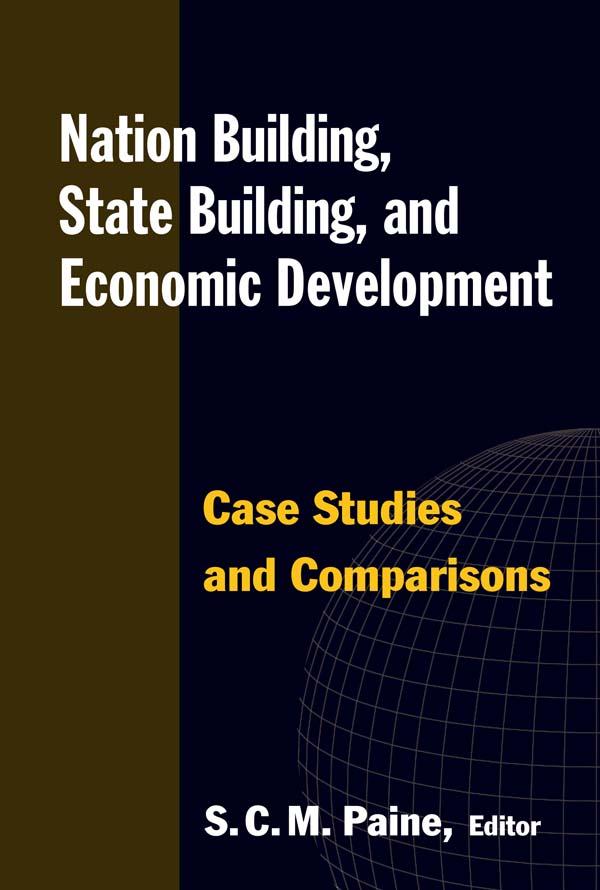
Why do some countries remain poor and dysfunctional while others thrive and become affluent? The expert contributors to this volume seek to identify reasons why prosperity has increased rapidly in some countries but not others by constructing and comparing cases. The case studies focus on the processes of nation building, state building, and economic development in comparably situated countries over the past hundred years. Part I considers the colonial legacy of India, Algeria, the Philippines, and Manchuria. In Part II, the analysis shifts to the anticolonial development strategies of Soviet Russia, Ataturk's Turkey, Mao's China, and Nasser's Egypt. Part III is devoted to paired cases, in which ostensibly similar environments yielded very different outcomes: Haiti and the Dominican Republic; Jordan and Israel; the Republic of the Congo and neighboring Gabon; North Korea and South Korea; and, Papua New Guinea and Indonesia. All the studies examine the combined constraints and opportunities facing policy makers, their policy objectives, and the effectiveness of their strategies. The concluding chapter distills what these cases can tell us about successful development - with findings that do not validate the conventional wisdom.
Sider: 344
Kategori: Ekonomi & Utveckling
e-ISBN: 9781317464082
Forsendelsesvægt: 1.2 kg
Sendes inden for: 1-2 dage
Betal nemt med kort, Klarna, Apple Pay eller Google Pay. Ikke tilfreds? Du har altid 14 dages fortrydelsesret. Læs mere i vores vilkår. Har du spørgsmål, så send os en mail på hello@memmo.org.
Memmo gør det nemmere at studere – uanset hvor du er i verden. Hos os samler du dine kursusbøger og smarte studieværktøjer ét sted: resuméer, quizzer, podcasts og flashcards. Og så er der Ted, din studieven, der svarer på alt, du undrer dig over. Over 50 000 studerende studerer allerede her – bygget til at hjælpe dig med at lære hurtigere og stresse mindre.
Du kan måske også lide
Køb bogen0