
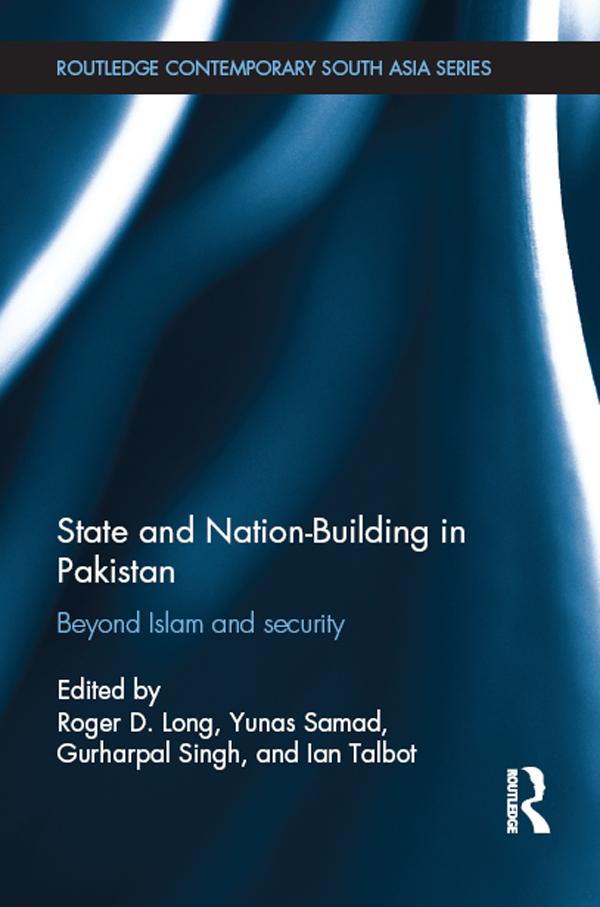
Religion, violence, and ethnicity are all intertwined in the history of Pakistan. The entrenchment of landed interests, operationalized through violence, ethnic identity, and power through successive regimes has created a system of ‘authoritarian clientalism.’ This book offers comparative, historicist, and multidisciplinary views on the role of identity politics in the development of Pakistan.
Bringing together perspectives on the dynamics of state-building, the book provides insights into contemporary processes of national contestation which are crucially affected by their treatment in the world media, and by the reactions they elicit within an increasingly globalised polity. It investigates the resilience of landed elites to political and social change, and, in the years after partition, looks at the impact on land holdings of population transfer. It goes on to discuss religious identities and their role in both the construction of national identity and in the development of sectarianism. The book highlights how ethnicity and identity politics are an enduring marker in Pakistani politics, and why they are increasingly powerful and influential.
An insightful collection on a range of perspectives on the dynamics of identity politics and the nation-state, this book on Pakistan will be a useful contribution to South Asian Politics, South Asian History, and Islamic Studies.
Betal nemt med kort, Klarna, Apple Pay eller Google Pay. Ikke tilfreds? Du har altid 14 dages fortrydelsesret. Læs mere i vores vilkår. Har du spørgsmål, så send os en mail på hello@memmo.org.
Memmo gør det nemmere at studere – uanset hvor du er i verden. Hos os samler du dine kursusbøger og smarte studieværktøjer ét sted: resuméer, quizzer, podcasts og flashcards. Og så er der Ted, din studieven, der svarer på alt, du undrer dig over. Over 50 000 studerende studerer allerede her – bygget til at hjælpe dig med at lære hurtigere og stresse mindre.