
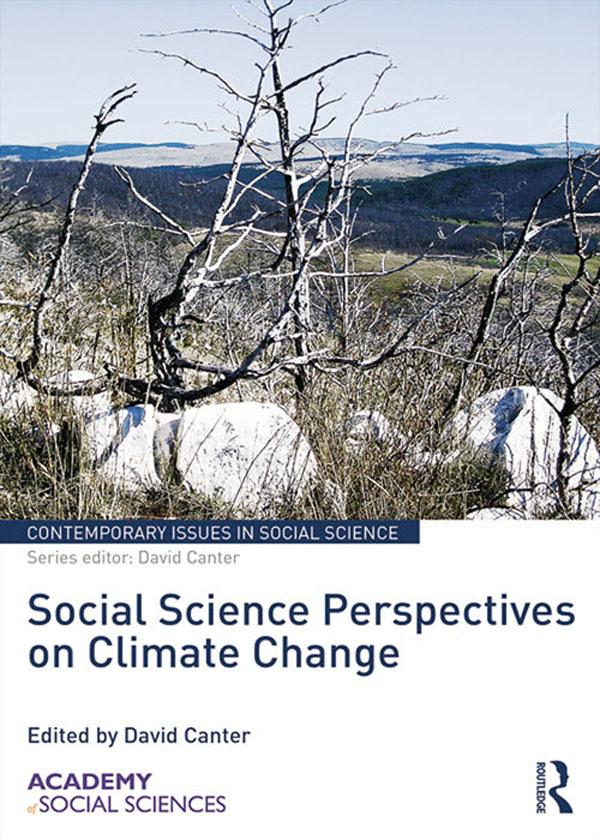
Although it is generally accepted that the climate is changing for the worse and that human activities are a major contributing factor in that change, there is still only marginal response to the challenge posed by climate change. The reasons behind this limited response are becoming clearer through the recognition that climate change is not just a set of physical science facts, but it is also part of a series of complex social processes. Consequently, this book is important in providing social science perspectives on a range of attempts to adjust human activity to reduce its environmental impact. These attempts vary from the changing of the dress code in Japanese offices to the creation of zero-carbon, gated communities in Bangalore, India. Taken together, the contributions to this book provide timely insights into the complexities of saving the planet through human endeavour. This book was originally published as a special issue of Contemporary Social Science.
Betal nemt med kort, Klarna, Apple Pay eller Google Pay. Ikke tilfreds? Du har altid 14 dages fortrydelsesret. Læs mere i vores vilkår. Har du spørgsmål, så send os en mail på hello@memmo.org.
Memmo gør det nemmere at studere – uanset hvor du er i verden. Hos os samler du dine kursusbøger og smarte studieværktøjer ét sted: resuméer, quizzer, podcasts og flashcards. Og så er der Ted, din studieven, der svarer på alt, du undrer dig over. Over 50 000 studerende studerer allerede her – bygget til at hjælpe dig med at lære hurtigere og stresse mindre.