
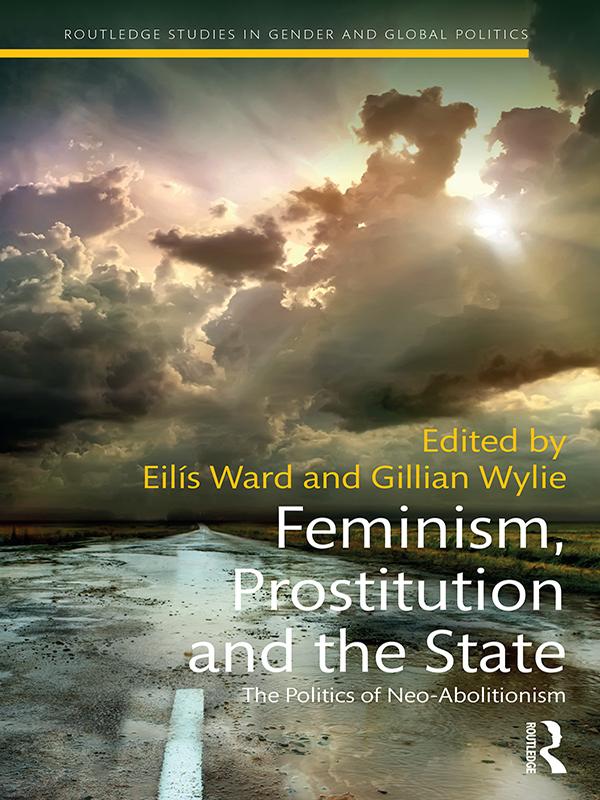
This edited volume focuses on charting the rise of neo-abolitionism and offering a critique of the idea, its logics and consequences. A model of state policy which aims to abolish prostitution through legislation, Neo-abolitionism criminalises the buyer of sex but not the seller. It is currently law in Sweden and other Nordic states and dominates the framing of policy debates in many other Western liberal contexts. Pressure for adoption of this policy has come from radical feminists who understand prostitution and sex trafficking as a form of violence against women.
This volume argues that this convergence between radical feminism and state’s interests arises from the emergence of, on the one hand, ‘governance feminism’ which seeks to have its ideals implemented through ‘top-down sovereigntist means’, and on the other hand, state’s interests in legitimising stricter border controls and law enforcement responses in relation to transnational organised criminality, ‘illegal’ migration, and security.
Based around a series of country case studies each chapter will explore the politics surrounding the emergence of neo-abolitionism and its trajectory through those polities, whether the paradigm has been adopted, rejected or is still under debate. The volume will be of great interest to students and scholars of Social and Public Policy, Gender and Women’s Studies, Politics and International Relations and Critical Legal Studies/Criminology.
Betal nemt med kort, Klarna, Apple Pay eller Google Pay. Ikke tilfreds? Du har altid 14 dages fortrydelsesret. Læs mere i vores vilkår. Har du spørgsmål, så send os en mail på hello@memmo.org.
Memmo gør det nemmere at studere – uanset hvor du er i verden. Hos os samler du dine kursusbøger og smarte studieværktøjer ét sted: resuméer, quizzer, podcasts og flashcards. Og så er der Ted, din studieven, der svarer på alt, du undrer dig over. Over 50 000 studerende studerer allerede her – bygget til at hjælpe dig med at lære hurtigere og stresse mindre.