
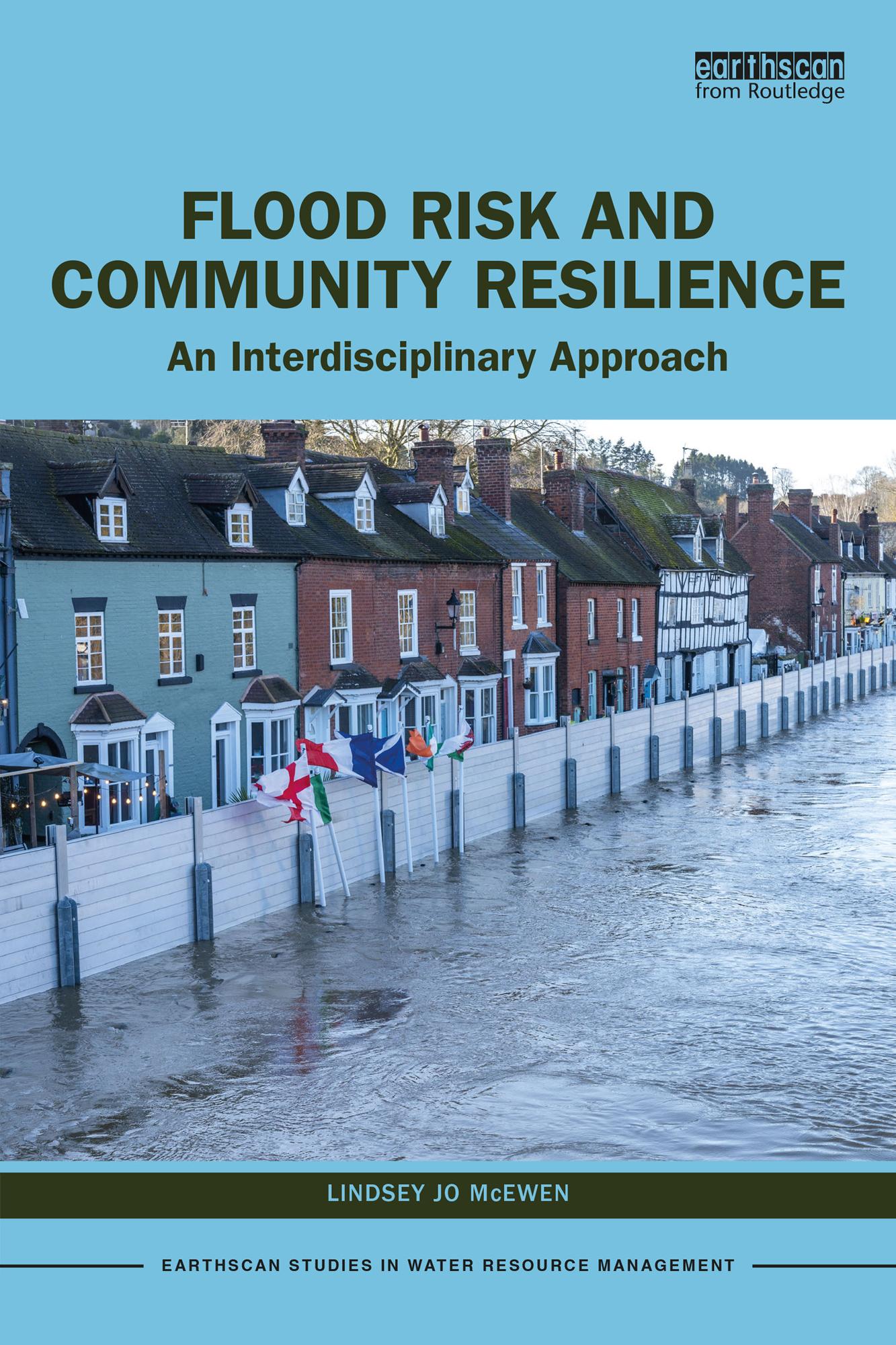
This book details the impact of flooding on our environment, and the ways in which communities, and those that work with them, can act to manage the associated risks.
Flooding is an increasingly significant environmental hazard which inflicts major costs to the economies and livelihoods of developed countries. This book explores how local communities can identify, manage, and adapt to the ever-increasing damage flooding causes. Focusing on the future role of local communities, the benefits and challenges of their involvement, and the potential areas of transformation, this book provides insights into the efficacy of interdisciplinary and transdisciplinary working. Alongside research into similar environmental hazards, this book also draws upon the author’s own knowledge of flood risk management in distinctive non-contiguous interdisciplinary settings. The chapters draw together a different and distinctive set of interdisciplinary themes in flood risk management and social resilience. In doing so, it strives to communicate the different ways of thinking that can usefully contribute to flood risk management.
This book would be ideal for those researching flood risk management, alongside scholars and non-scholars alike who are interested in finding ways of adapting to environmental hazards working with local communities.
Betal nemt med kort, Klarna, Apple Pay eller Google Pay. Ikke tilfreds? Du har altid 14 dages fortrydelsesret. Læs mere i vores vilkår. Har du spørgsmål, så send os en mail på hello@memmo.org.
Memmo gør det nemmere at studere – uanset hvor du er i verden. Hos os samler du dine kursusbøger og smarte studieværktøjer ét sted: resuméer, quizzer, podcasts og flashcards. Og så er der Ted, din studieven, der svarer på alt, du undrer dig over. Over 50 000 studerende studerer allerede her – bygget til at hjælpe dig med at lære hurtigere og stresse mindre.