
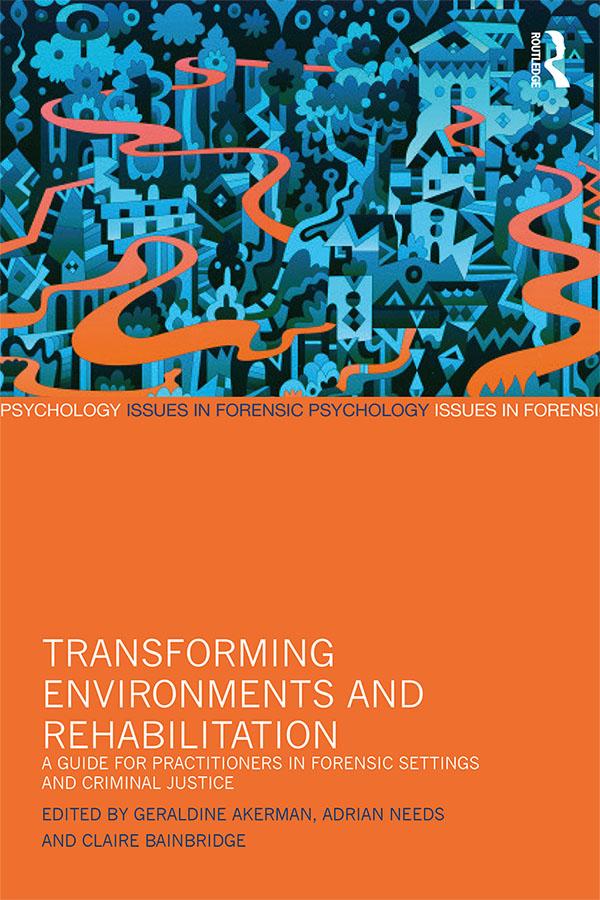
How can environments play a role in assisting and sustaining personal change in individuals incarcerated within the criminal justice system? Can a failure to address contextual issues reduce or undermine the effectiveness of clinical intervention? Bringing together a range of leading forensic psychologists, this book explores and illustrates inter-relationships between interventions and the environment in which they take place.
This book examines how the environment can be better utilised to contribute to processes of change and how therapeutic principles and practices can be more strongly embedded through being applied in supportive, facilitative environments. In addition, it expands on emerging conceptualisations of how psychological functioning and environmental context are inextricably linked and offers an alternative to prevailing intrapsychic or ‘essentialist’ views of areas such as personality and cognition.
Providing new and challenging insights and perspectives on issues of central relevance to forensic psychology and related disciplines, this book contributes to the development of innovative and unifying directions for research, practice and theory. This book will be an essential resource for those who work with or intend to work with offenders, particularly practitioners, researchers and students in the fields of psychology, criminology, psychiatry, psychotherapy and social work.
Betal nemt med kort, Klarna, Apple Pay eller Google Pay. Ikke tilfreds? Du har altid 14 dages fortrydelsesret. Læs mere i vores vilkår. Har du spørgsmål, så send os en mail på hello@memmo.org.
Memmo gør det nemmere at studere – uanset hvor du er i verden. Hos os samler du dine kursusbøger og smarte studieværktøjer ét sted: resuméer, quizzer, podcasts og flashcards. Og så er der Ted, din studieven, der svarer på alt, du undrer dig over. Over 50 000 studerende studerer allerede her – bygget til at hjælpe dig med at lære hurtigere og stresse mindre.