
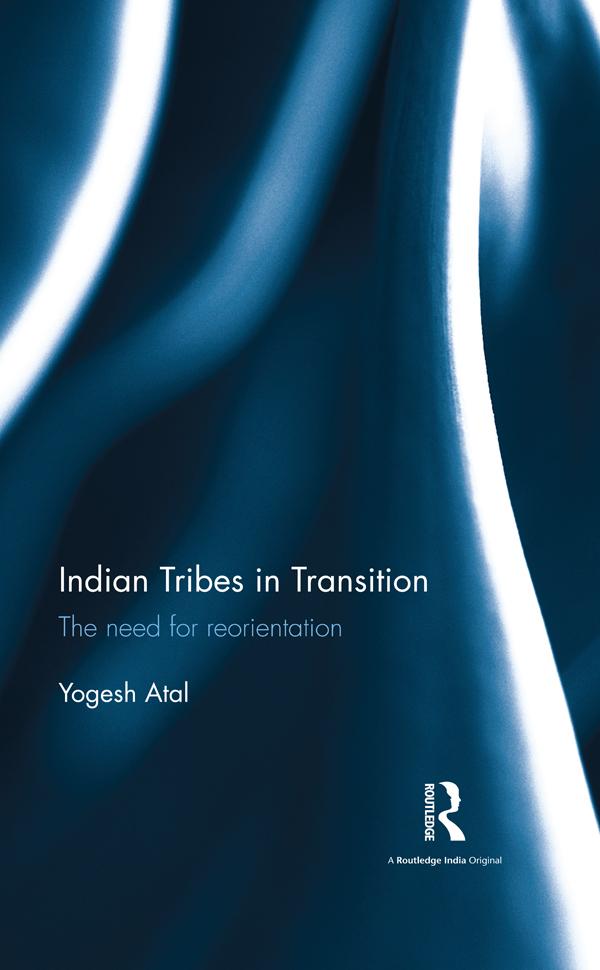
India has witnessed a sea change in its social structure and political culture since Independence. Despite the developmental model that the country opted for, the hangover of the Raj continued to encourage fissiparous tendencies dividing the Indian populace on the basis of religion, ethnicity and caste hierarchy.
This book argues for the need to develop a fresh approach to dismantling the stereotypes that have boxed the study of India’s tribal communities. It underlines the significance of region-specific strategies in place of an overarching umbrella scheme for all Indian tribes. The author studies tribes in the context of changing political and social identity, gender, extremism, caste dimensions, development issues, and offers a new perspective on tribes to accommodate the diversity and transformations within culture over time and through globalization.
Lucid, accessible and rooted in contemporary realities, this volume will be of great interest to scholars and researchers of sociology and social anthropology, tribal studies, subaltern and third world studies, and politics.
Betal nemt med kort, Klarna, Apple Pay eller Google Pay. Ikke tilfreds? Du har altid 14 dages fortrydelsesret. Læs mere i vores vilkår. Har du spørgsmål, så send os en mail på hello@memmo.org.
Memmo gør det nemmere at studere – uanset hvor du er i verden. Hos os samler du dine kursusbøger og smarte studieværktøjer ét sted: resuméer, quizzer, podcasts og flashcards. Og så er der Ted, din studieven, der svarer på alt, du undrer dig over. Over 50 000 studerende studerer allerede her – bygget til at hjælpe dig med at lære hurtigere og stresse mindre.