
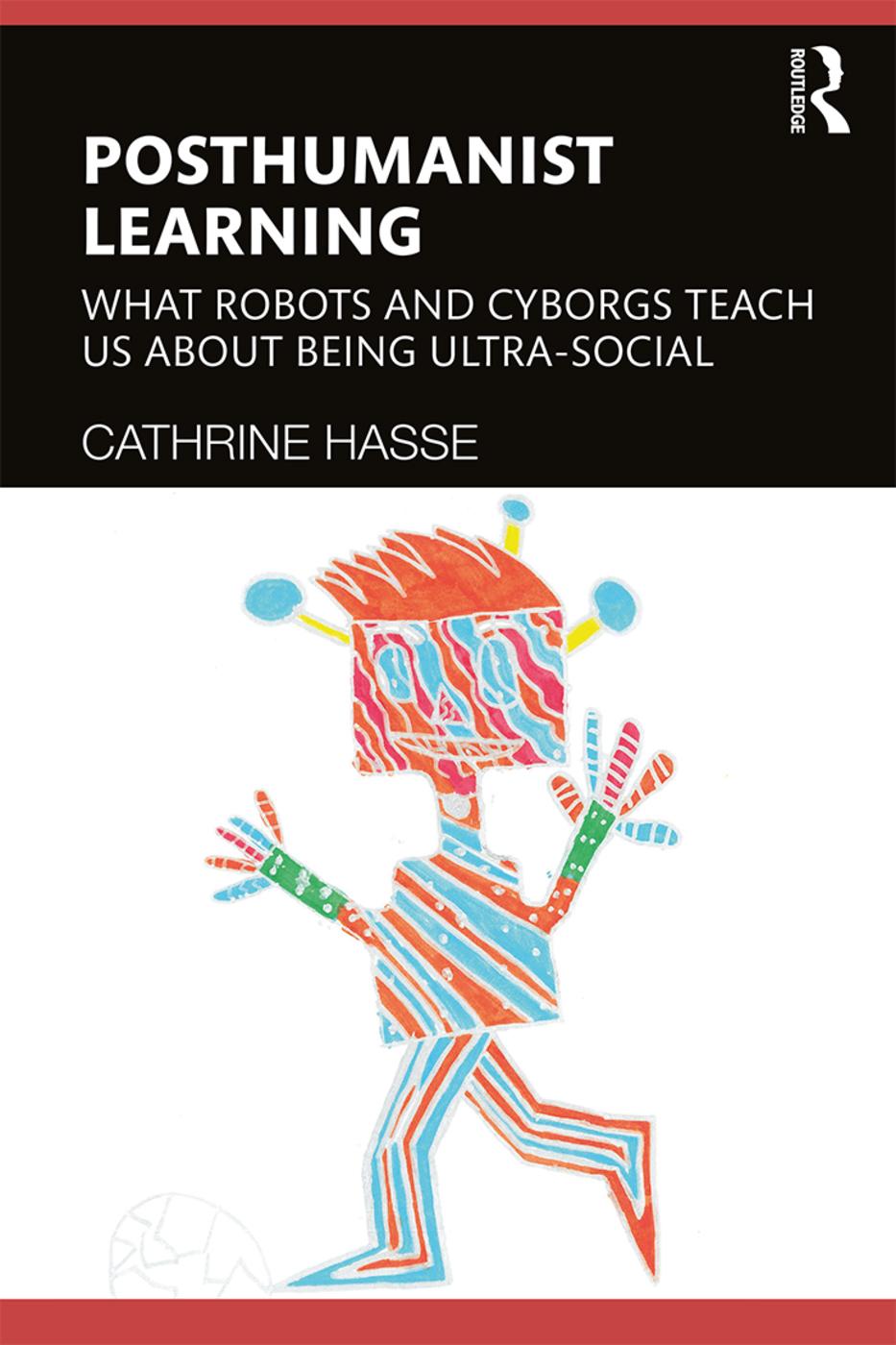
In this text Hasse presents a new, inclusive, posthuman learning theory, designed to keep up with the transformations of human learning resulting from new technological experiences, as well as considering the expanding role of cyborg devices and robots in learning. This ground-breaking book draws on research from across psychology, education, and anthropology to present a truly interdisciplinary examination of the relationship between technology, learning and humanity.
Posthumanism questions the self-evident status of human beings by exploring how technology is changing what can be categorised as "human". In this book, the author applies a posthumanist lens to traditional learning theory, challenging conventional understanding of what a human learner is, and considering how technological advances are changing how we think about this question. Throughout the book Hasse uses vignettes of her own research and that of other prominent academics to exemplify what technology can tell us about how we learn and how this can be observed in real-life settings.
Posthumanist Learning is essential reading for students and researchers of posthumanism and learning theory from a variety of backgrounds, including psychology, education, anthropology, robotics and philosophy.
Betal nemt med kort, Klarna, Apple Pay eller Google Pay. Ikke tilfreds? Du har altid 14 dages fortrydelsesret. Læs mere i vores vilkår. Har du spørgsmål, så send os en mail på hello@memmo.org.
Memmo gør det nemmere at studere – uanset hvor du er i verden. Hos os samler du dine kursusbøger og smarte studieværktøjer ét sted: resuméer, quizzer, podcasts og flashcards. Og så er der Ted, din studieven, der svarer på alt, du undrer dig over. Over 50 000 studerende studerer allerede her – bygget til at hjælpe dig med at lære hurtigere og stresse mindre.