
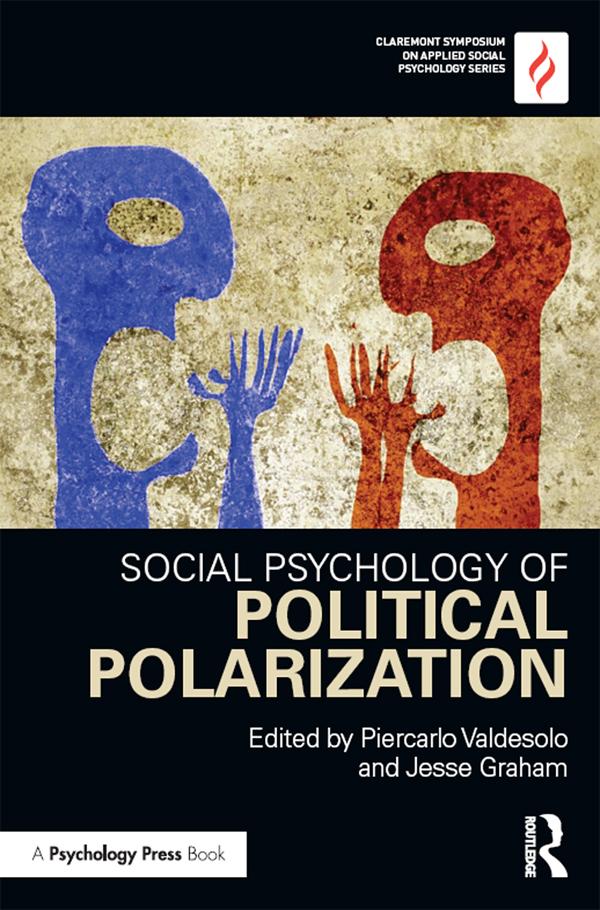
The 21st-century political landscape has been defined by deep ideological polarization, and as a result scientific inquiry into the psychological mechanisms underlying this divide has taken on increased relevance. The topic is by no means new to social psychology. Classic literature on intergroup conflict shows how pervasive and intractable these group conflicts can be, how readily they can emerge from even minimal group identities, and the hedonic rewards reaped from adopting an "us vs. them" perspective. Indeed, this literature paints a bleak picture for the efficacy of any interventions geared toward reducing intergroup discord. But advances in the psychology of moral judgments and behavior, in particular greater understanding of how moral concerns might inform the creation and stability of political identities, offer new ways forward in understanding partisan divides. This volume brings together leading researchers in moral and political psychology, offering new perspectives on the moral roots of political ideology, and exciting new opportunities for the development of more effective applied interventions.
Betal nemt med kort, Klarna, Apple Pay eller Google Pay. Ikke tilfreds? Du har altid 14 dages fortrydelsesret. Læs mere i vores vilkår. Har du spørgsmål, så send os en mail på hello@memmo.org.
Memmo gør det nemmere at studere – uanset hvor du er i verden. Hos os samler du dine kursusbøger og smarte studieværktøjer ét sted: resuméer, quizzer, podcasts og flashcards. Og så er der Ted, din studieven, der svarer på alt, du undrer dig over. Over 50 000 studerende studerer allerede her – bygget til at hjælpe dig med at lære hurtigere og stresse mindre.