
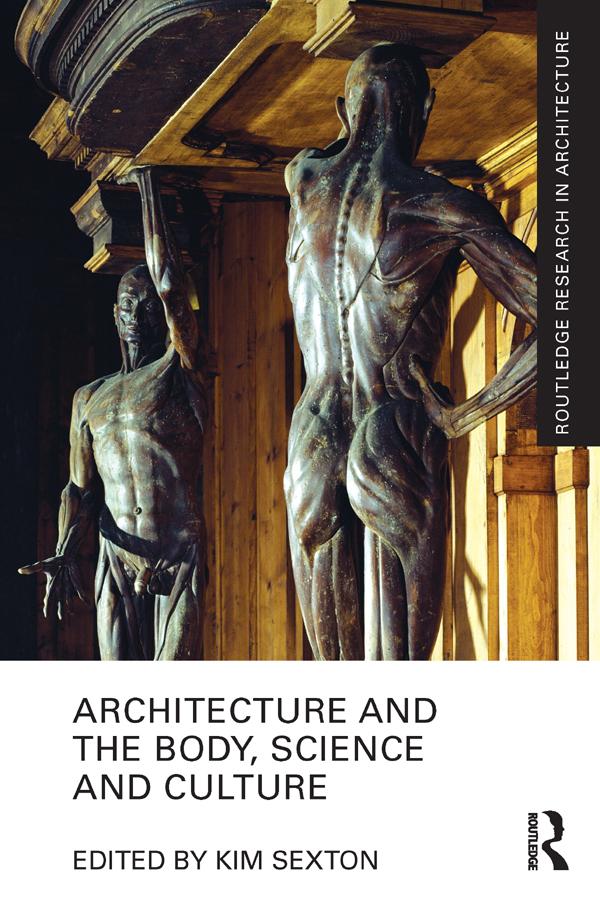
The relationship of architecture to the human body is a centuries-long and complex one, but not always symmetrical. This book opens a space for historians of the visual arts, archaeologists, architects, and digital humanities professionals to reflect upon embodiment, spatiality, science, and architecture in premodern and modern cultural contexts.
Architecture and the Body, Science and Culture poses one overarching question: How does a period’s understanding of bodies as objects of science impinge upon architectural thought and design? The answers are sophisticated, interdisciplinary explorations of theory, technology, symbolism, medicine, violence, psychology, deformity, and salvation, and they have unexpected and fascinating implications for architectural design and history. The new research published in this volume reinvigorates the Western survey-style trajectory from Archaic Greece to post‐war Europe with scientifically‐framed, body‐centred provocations.
By adding the third factor—science—to the architecture and body equation, this book presents a nuanced appreciation for architectural creativity and its embeddedness in other sets of social, institutional and political relationships. In so doing, it spatializes body theory and ties it to the experience of the built environment in ways that disturb traditional boundaries between the architectural container and the corporeally contained.
Betal nemt med kort, Klarna, Apple Pay eller Google Pay. Ikke tilfreds? Du har altid 14 dages fortrydelsesret. Læs mere i vores vilkår. Har du spørgsmål, så send os en mail på hello@memmo.org.
Memmo gør det nemmere at studere – uanset hvor du er i verden. Hos os samler du dine kursusbøger og smarte studieværktøjer ét sted: resuméer, quizzer, podcasts og flashcards. Og så er der Ted, din studieven, der svarer på alt, du undrer dig over. Over 50 000 studerende studerer allerede her – bygget til at hjælpe dig med at lære hurtigere og stresse mindre.