
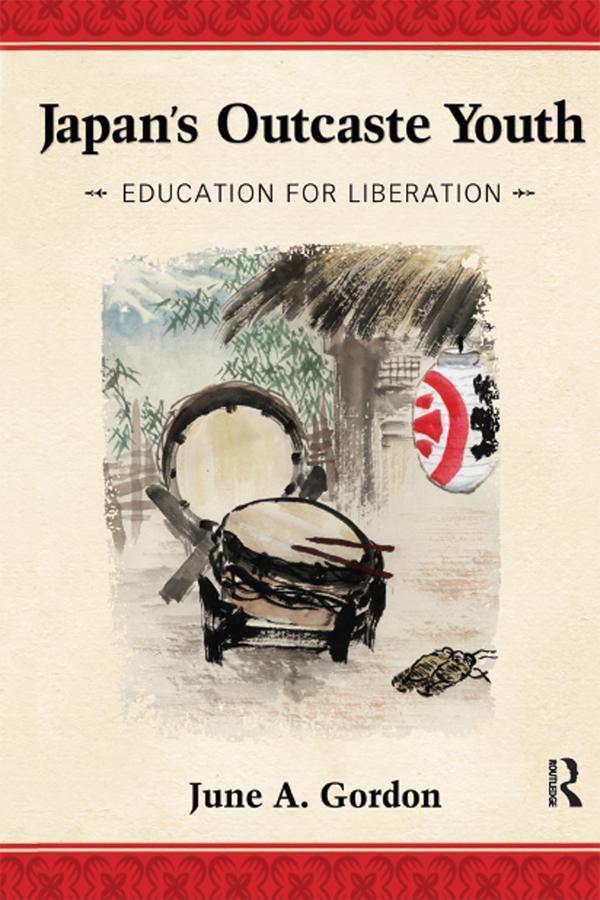
Japan's attempt to project to the world an image of solid middle-class national identity is challenged by the Burakumin, an outcaste group of indigenous Japanese citizens who have been subjugated for centuries to political, economic, and religious discrimination. In the 1960s the efforts of this group and its supporters led to a 40-year national program of economic aid and educational programs designed to move these people out of poverty and increase life options. These programs, recently terminated, have left the Burakumin and other marginalized groups uncertain of their future. Based on ten years of ethnographic inquiry, Gordon's book explores the views of educators and activists caught in this period of transition after having their lives and careers shaped by the political demands of a liberation movement dedicated to achieving educational equity for the Burakumin and their disadvantaged neighbors. Gordon provides the context of the efforts to achieve the human rights of the Burakumin and the complexity of their identity in a Japanese society struggling with economic and demographic globalization.
Betal nemt med kort, Klarna, Apple Pay eller Google Pay. Ikke tilfreds? Du har altid 14 dages fortrydelsesret. Læs mere i vores vilkår. Har du spørgsmål, så send os en mail på hello@memmo.org.
Memmo gør det nemmere at studere – uanset hvor du er i verden. Hos os samler du dine kursusbøger og smarte studieværktøjer ét sted: resuméer, quizzer, podcasts og flashcards. Og så er der Ted, din studieven, der svarer på alt, du undrer dig over. Over 50 000 studerende studerer allerede her – bygget til at hjælpe dig med at lære hurtigere og stresse mindre.
Du kan måske også lide
Køb bogen0