
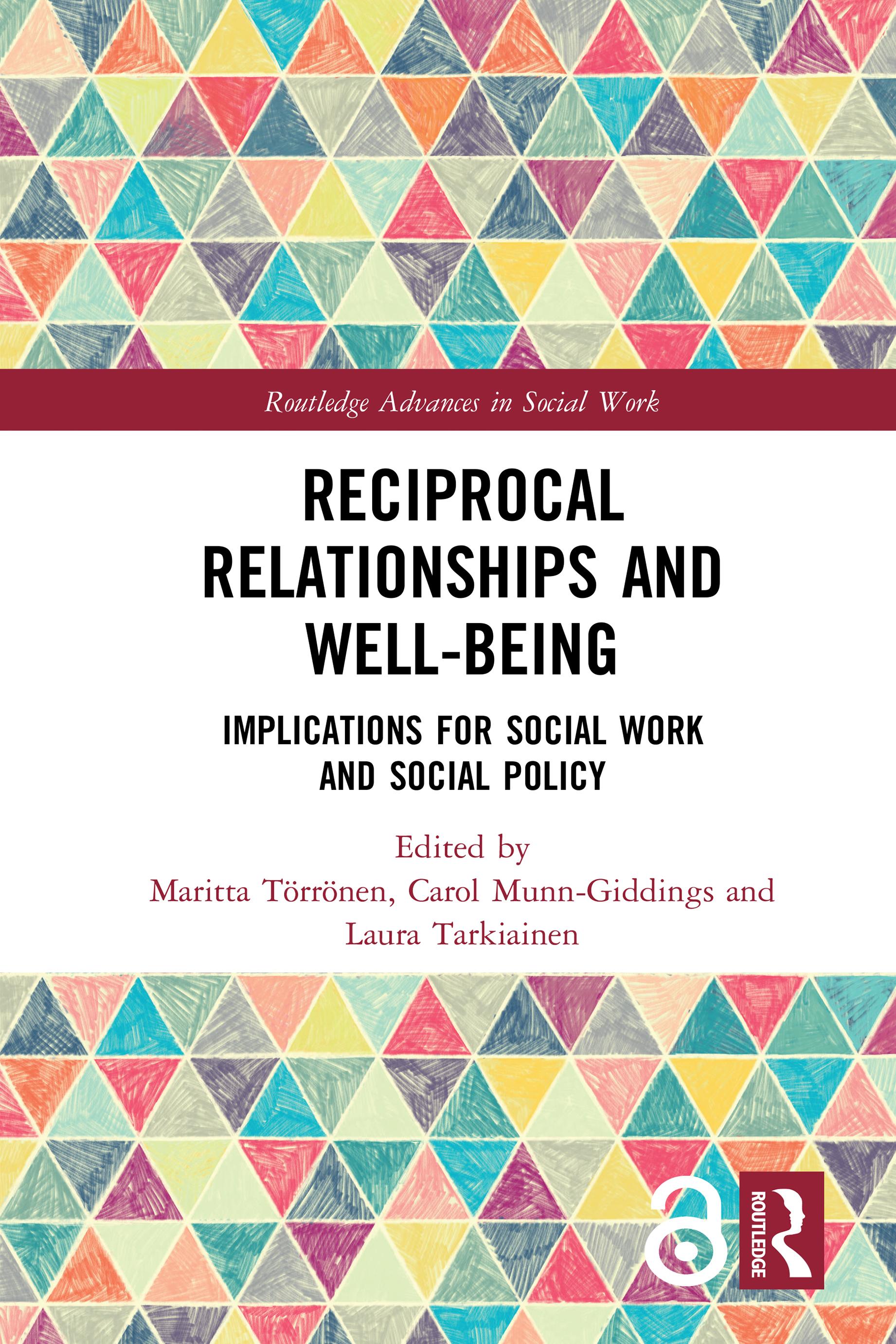
A sense of participation and opportunities to share and participate in activities or groups that are important to them are crucial factors in human wellbeing.
This book provides a robust empirical and theoretical analysis of reciprocity and its implications for social work and social policy practices by discussing how ideas of reciprocity can be understood and applied to welfare policy and social care practices, as well as how the act of reciprocity supports the wellbeing of citizens. Contributions from Finland, Germany, Russia, the UK, the USA and Canada illuminate the ways in which socio-political contexts influence the power relations between citizens, practitioners and the state, and the potential (or otherwise) for reciprocity to flourish.
It will be essential reading for social care practitioners, researchers and educationalists as well as postgraduate students in social work and related social care and community-oriented professions and social policy makers.
Betal nemt med kort, Klarna, Apple Pay eller Google Pay. Ikke tilfreds? Du har altid 14 dages fortrydelsesret. Læs mere i vores vilkår. Har du spørgsmål, så send os en mail på hello@memmo.org.
Memmo gør det nemmere at studere – uanset hvor du er i verden. Hos os samler du dine kursusbøger og smarte studieværktøjer ét sted: resuméer, quizzer, podcasts og flashcards. Og så er der Ted, din studieven, der svarer på alt, du undrer dig over. Over 50 000 studerende studerer allerede her – bygget til at hjælpe dig med at lære hurtigere og stresse mindre.