
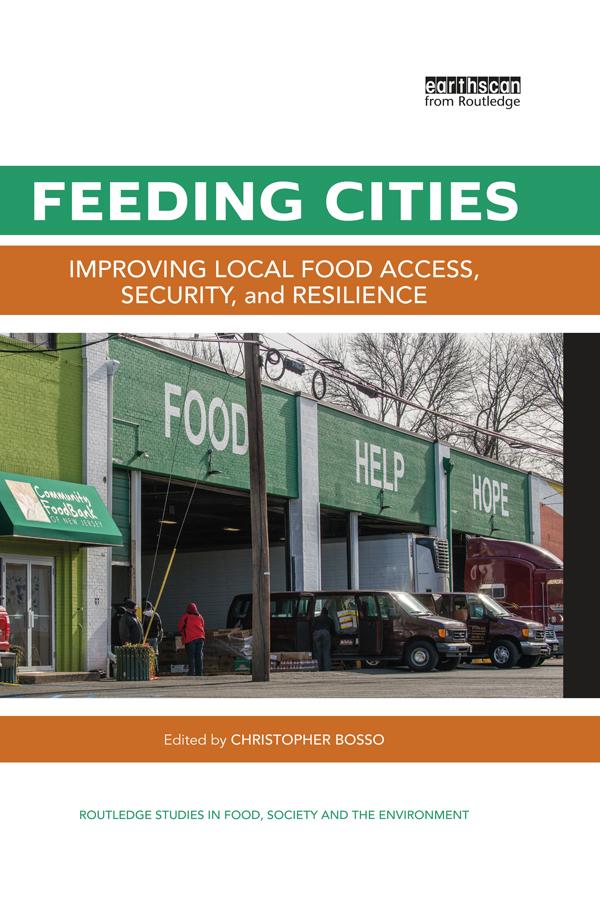
There is enormous current interest in urban food systems, with a wide array of policies and initiatives intended to increase food security, decrease ecological impacts and improve public health. This volume is a cross-disciplinary and applied approach to urban food system sustainability, health, and equity.
The contributions are from researchers working on social, economic, political and ethical issues associated with food systems. The book's focus is on the analysis of and lessons obtained from specific experiences relevant to local food systems, such as tapping urban farmers markets to address issues of food access and public health, and use of zoning to restrict the density of fast food restaurants with the aim of reducing obesity rates. Other topics considered include building a local food business to address the twin problems of economic and nutritional distress, developing ways to reduce food waste and improve food access in poor urban neighborhoods, and asking whether the many, and diverse, hopes for urban agriculture are justified.
The chapters show that it is critical to conduct research on existing efforts to determine what works and to develop best practices in pursuit of sustainable and socially just urban food systems. The main examples discussed are from the United States, but the issues are applicable internationally.
Betal nemt med kort, Klarna, Apple Pay eller Google Pay. Ikke tilfreds? Du har altid 14 dages fortrydelsesret. Læs mere i vores vilkår. Har du spørgsmål, så send os en mail på hello@memmo.org.
Memmo gør det nemmere at studere – uanset hvor du er i verden. Hos os samler du dine kursusbøger og smarte studieværktøjer ét sted: resuméer, quizzer, podcasts og flashcards. Og så er der Ted, din studieven, der svarer på alt, du undrer dig over. Over 50 000 studerende studerer allerede her – bygget til at hjælpe dig med at lære hurtigere og stresse mindre.