
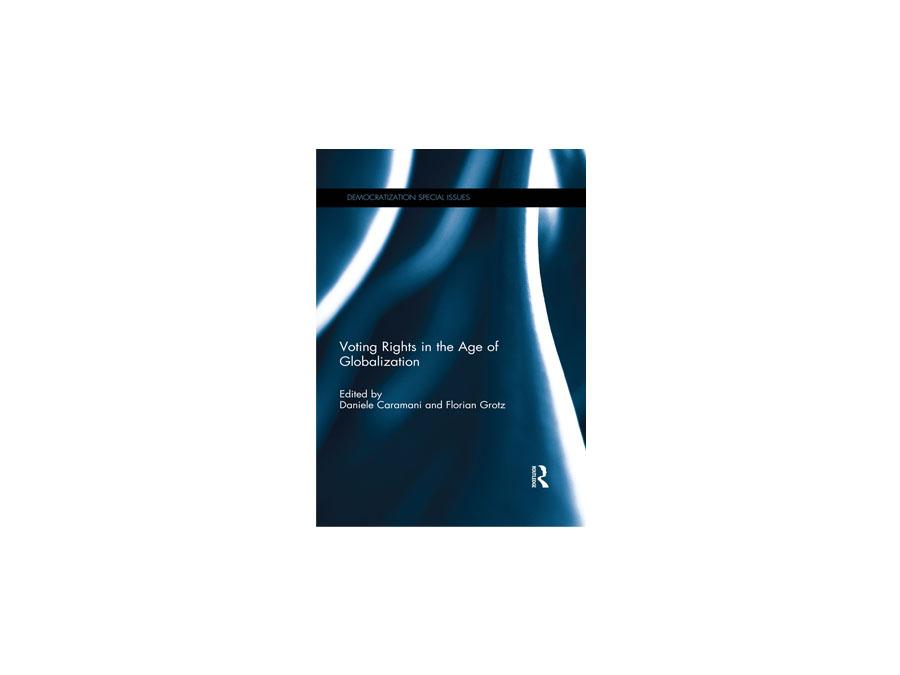
This book discusses how the extension of voting rights beyond citizenship (i.e., to non-national immigrants) and residence (i.e., to expatriates) can be interpreted in the light of democratization processes in both Western countries and in developing regions. It does so by inserting the globalization-specific extension of voting rights to immigrants and expatriates within the long-term series of historical waves of democratization. Does the current extension enhance democracy by granting de facto disenfranchised immigrants and emigrants political rights or does it jeopardize the very functioning of democracy by undermining its legitimacy through the removal of territorial and national boundaries? The book offers a preliminary synthesis in a broad comparative perspective covering both alien and external voting rights in Europe, Sub-Saharan Africa and Latin America. It shows that reforms toward more expansive electorates vary considerably and that their effects on the inclusion of migrants largely depend on the specific regulations and the socio-political context in which they operate. The book was originally published as a special issue of Democratization.
Betal nemt med kort, Klarna, Apple Pay eller Google Pay. Ikke tilfreds? Du har altid 14 dages fortrydelsesret. Læs mere i vores vilkår. Har du spørgsmål, så send os en mail på hello@memmo.org.
Memmo gør det nemmere at studere – uanset hvor du er i verden. Hos os samler du dine kursusbøger og smarte studieværktøjer ét sted: resuméer, quizzer, podcasts og flashcards. Og så er der Ted, din studieven, der svarer på alt, du undrer dig over. Over 50 000 studerende studerer allerede her – bygget til at hjælpe dig med at lære hurtigere og stresse mindre.