
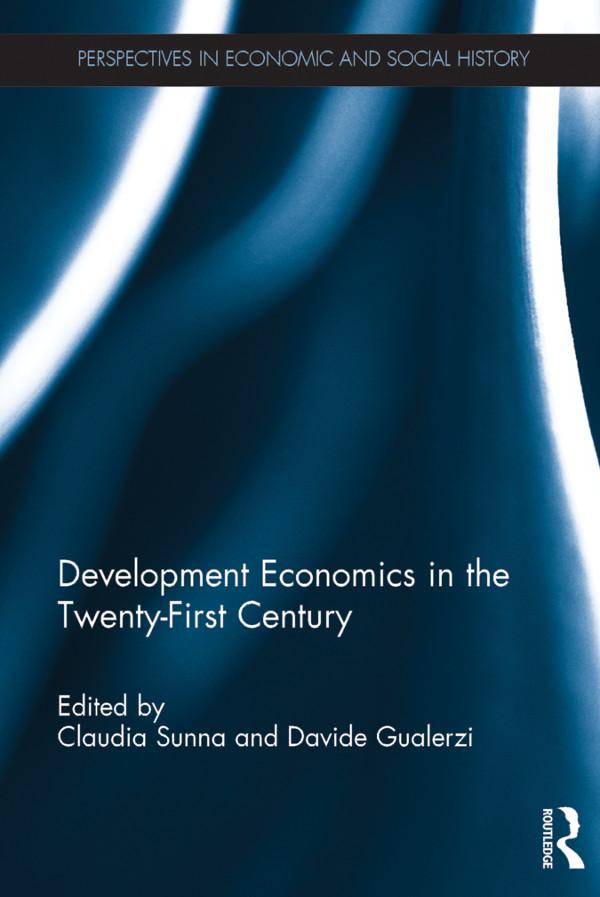
Development Economics has been identified as a homogeneous body of theory since the 1950s, concerned both with the study of development issues and with the shaping of more effective policies for less advanced economies.
Development Economics in the Twenty-First Century brings together an international contributor team in order to explore the origins and evolution of development economics. This book highlights the different elements of ‘high development theory’ through a precise reconstruction of the different theoretical approaches that developed between the 1950s and the 1970s. These include the theory of balanced and unbalanced growth theory, the debate on international trade, the concept of dualism, dependency theory, structuralism and the analysis of poverty and institutions. The chapters highlight the relevance and usefulness of these analyses for the contemporary theoretical debate on development issues.
Comparative perspectives are explored and analysed, including those of Keynes, Hirschman, Krugman and Stiglitz. The chapters situate development economics within current debates among economists and historians of economic thought, providing a platform for future research. This book is suitable for researchers and students with an interest in Development Economics, the History of Economic development and the Economics of Developing Countries.
Betal nemt med kort, Klarna, Apple Pay eller Google Pay. Ikke tilfreds? Du har altid 14 dages fortrydelsesret. Læs mere i vores vilkår. Har du spørgsmål, så send os en mail på hello@memmo.org.
Memmo gør det nemmere at studere – uanset hvor du er i verden. Hos os samler du dine kursusbøger og smarte studieværktøjer ét sted: resuméer, quizzer, podcasts og flashcards. Og så er der Ted, din studieven, der svarer på alt, du undrer dig over. Over 50 000 studerende studerer allerede her – bygget til at hjælpe dig med at lære hurtigere og stresse mindre.