
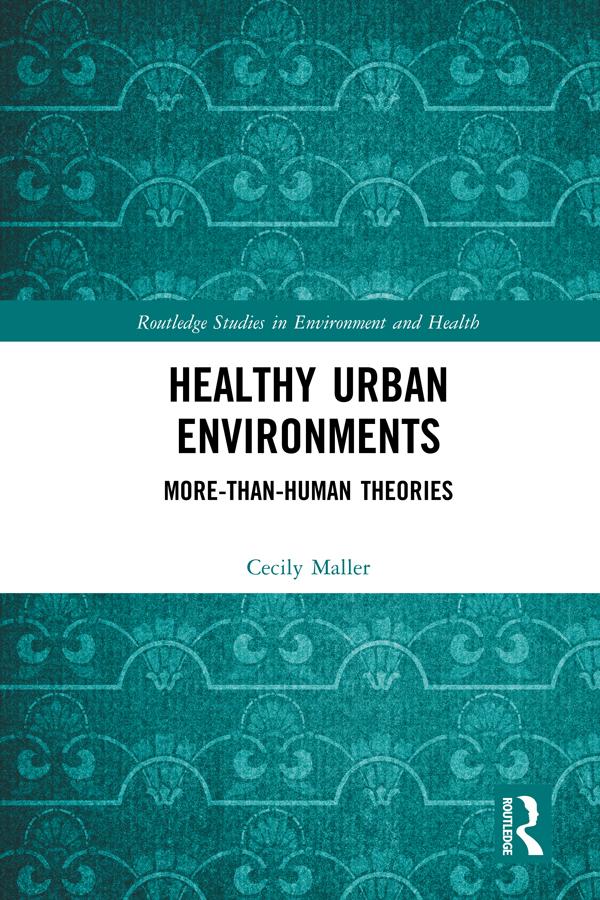
Set in the ‘human–environment’ interaction space, this book applies new theoretical and practical insights to understanding what makes healthy urban environments. It stems from recognition that the world is rapidly urbanising and the international concern with how to create healthy settings and liveable cities in the context of a rapidly changing planet. A key argument is that usual attempts to make healthy cities are limited by human-centrism and bifurcated, western thinking about cities, health and nature. Drawing on the innovative ‘more-than-human’ scholarship from a range of disciplines, it presents a synthesis of the main contributions, and how they can be used to rethink what healthy urban environments are, and who they are for. In particular, the book turns its attention to urban biodiversity and the many non-human species that live in, make and share cities with humans.
The book will be of interest to scholars and students in human geography, health sociology, environmental humanities, public health, health promotion, planning and urban design, as well as policymakers and professionals working in these fields.
Betal nemt med kort, Klarna, Apple Pay eller Google Pay. Ikke tilfreds? Du har altid 14 dages fortrydelsesret. Læs mere i vores vilkår. Har du spørgsmål, så send os en mail på hello@memmo.org.
Memmo gør det nemmere at studere – uanset hvor du er i verden. Hos os samler du dine kursusbøger og smarte studieværktøjer ét sted: resuméer, quizzer, podcasts og flashcards. Og så er der Ted, din studieven, der svarer på alt, du undrer dig over. Over 50 000 studerende studerer allerede her – bygget til at hjælpe dig med at lære hurtigere og stresse mindre.