
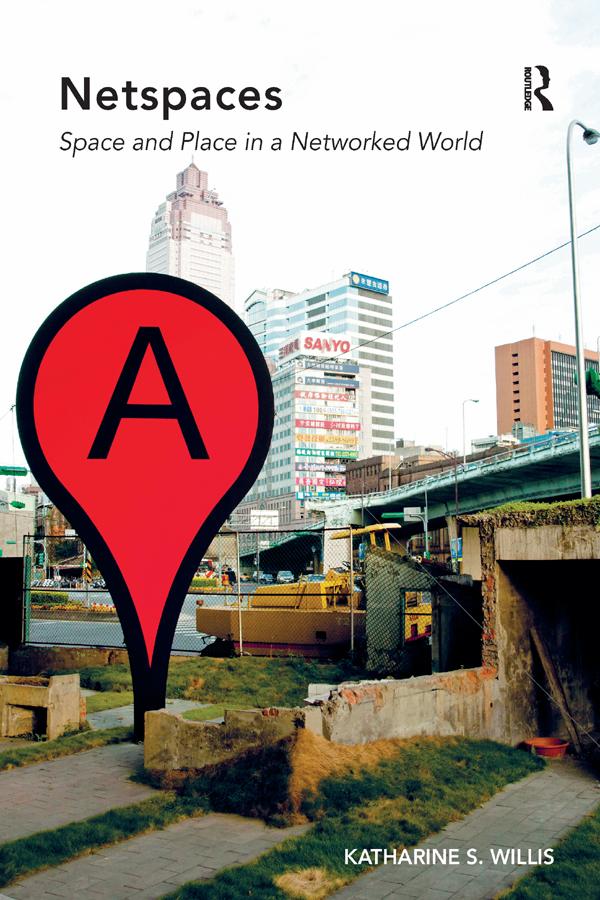
The focus of this book is on understanding and explaining the way that our increasingly networked world impacts on the legibility of cities; that is how we experience and inhabit urban space. It reflects on the nature of the spatial effects of the networked and mediated world; from mobile phones and satnavs to data centres and wifi nodes and discusses how these change the very nature of urban space. It proposes that netspaces are the spaces that emerge at the interchange between the built world and the space of the network. It aims to be a timely volume for both architectural, urban design and media practitioners in understanding and working with the fundamental changes in built space due to the ubiquity of networks and media. This book argues that there needs to be a much better understanding of how networks affect the way we inhabit urban space. The volume defines five characteristics of netspaces and defines in detail the way that the spatial form of the city is affected by changing practices of networked world. It draws on theoretical approaches and contextualises the discussion with empirical case studies to illustrate the changes taking place in urban space. This readable and engaging text will be a valuable resource for architects, urban designers, planners and sociologists for understanding how of networks and media are creating significant changes to urban space and the resulting implications for the design of cities.
Betal nemt med kort, Klarna, Apple Pay eller Google Pay. Ikke tilfreds? Du har altid 14 dages fortrydelsesret. Læs mere i vores vilkår. Har du spørgsmål, så send os en mail på hello@memmo.org.
Memmo gør det nemmere at studere – uanset hvor du er i verden. Hos os samler du dine kursusbøger og smarte studieværktøjer ét sted: resuméer, quizzer, podcasts og flashcards. Og så er der Ted, din studieven, der svarer på alt, du undrer dig over. Over 50 000 studerende studerer allerede her – bygget til at hjælpe dig med at lære hurtigere og stresse mindre.
Du kan måske også lide
Køb bogen0